



KMS Pico security and reliability overview
Practical Guide to Using KMS Pico for Windows and Office Activation
If you’re looking for a reliable way to activate Microsoft Windows or Office without a traditional volume license, kmspico 10.3.0 is often the first name that appears in online discussions. This guide walks you through the essential aspects of KMS Pico, from how it works to practical setup steps, so you can decide whether it meets your business needs or personal projects.
What Is KMS Pico and How Does It Work?
KMS Pico is a lightweight client‑side utility that mimics a Key Management Service (KMS) server on your local machine. By emulating the Microsoft activation protocol, it allows Windows and Office products to validate against a locally hosted KMS endpoint, effectively bypassing the need for an external corporate KMS infrastructure.
The tool operates by creating a virtual KMS server that responds to activation requests from the operating system. It is designed to run silently in the background, updating the activation status without user intervention. While the underlying mechanism is technically simple, the reliability and security of the activation process depend heavily on how the software is installed and maintained.
Who Should Consider Using KMS Pico?
Small‑to‑medium businesses that lack a dedicated volume licensing server often explore KMS Pico as a stop‑gap solution. It can also be useful for IT professionals managing a fleet of legacy machines that need periodic re‑activation after hardware changes.
Home users who experiment with multiple Windows builds or need a quick way to reactivate after a system restore may also find KMS Pico convenient. However, enterprises with strict compliance policies should weigh the legal implications before integrating any unofficial activation tool into their workflow.
Core Features and Benefits of KMS Pico
KMS Pico packs a set of features aimed at simplifying the activation process while keeping the footprint minimal. Below is a quick overview of the most relevant capabilities.
- Automatic Activation: Detects eligible Windows and Office products and activates them without manual key entry.
- Silent Operation: Runs in the background with no visible UI, preserving the user experience.
- Compatibility Layer: Supports a wide range of Windows versions from Windows 7 up to Windows 11, as well as Office 2010‑2021.
- Lightweight Dashboard: Provides a simple status window for monitoring activation health.
The benefits flow directly from these features. Users experience reduced downtime because re‑activation can be scripted into existing automation workflows. The low resource usage ensures scalability across dozens of machines without impacting overall system performance. Additionally, the tool’s open‑source nature makes it easy to verify security and integrate with custom deployment scripts.
Step‑By‑Step Setup and Activation Process
Prerequisites
Before you begin, confirm that your Windows edition is eligible for KMS activation (generally Professional, Enterprise, or Education). You will also need administrative rights on the target computer and a stable internet connection for downloading the latest KMS Pico release.
It’s advisable to create a system restore point in case you need to revert any changes. Some organizations also require that you verify the tool’s checksum to ensure integrity.
Installation and Activation
1. Download the latest KMS Pico package from the official site.
2. Extract the files to a folder such as C:\KMSPico.
3. Right‑click activate.exe and select “Run as administrator.”
4. The dashboard will appear, indicating whether activation was successful.
5. For repeated use, you can add a shortcut to the startup folder so the virtual KMS server launches automatically on boot.
After the initial activation, you can verify the status by opening a command prompt and running slmgr /dlv. The output should show “License Status: Licensed” for Windows or “License Status: Activated” for Office.
Common Use Cases and Real‑World Scenarios
Understanding typical scenarios helps you decide if KMS Pico aligns with your workflow. Below are a few examples where the tool adds tangible value.
- Lab Environments: Universities and training centers often need to reset machines after each class; KMS Pico ensures each reset machine re‑activates automatically.
- Remote Workers: Employees with VPN‑only access may struggle to reach corporate KMS servers; a local KMS emulator eliminates that dependency.
- Software Testing: Developers testing compatibility across multiple Windows builds can quickly provision activated instances without purchasing separate licenses.
These use cases highlight the tool’s flexibility for both short‑term projects and longer‑term deployment strategies, especially when integration with existing automation pipelines is required.
Pricing, Licensing, and Legal Considerations
KMS Pico is distributed as a free, community‑driven project, which means there are no upfront costs or subscription fees. However, because it operates outside Microsoft’s official licensing model, organizations should treat it as a risk factor in compliance audits.
The table below summarizes key points you might compare when evaluating KMS Pico against other activation methods.
| Aspect | KMS Pico (Free) | Microsoft Volume Licensing (Paid) | Third‑Party Activation Services |
|---|---|---|---|
| Cost | $0 | Per‑seat subscription or bulk license fee | Varies – often subscription based |
| Legal Status | Unofficial, may conflict with Microsoft EULA | Fully compliant | Depends on provider |
| Support | Community forums & GitHub issues | Microsoft support & partner network | Vendor support contracts |
| Scalability | Works on individual machines; manual rollout for many devices | Designed for enterprise‑wide deployment | Typically cloud‑based, scalable |
Support, Updates, and Community Resources
Because KMS Pico is maintained by an open‑source community, updates are released irregularly and rely on volunteer contributions. Users can follow the project’s GitHub repository to receive notifications about new releases, bug fixes, and security patches.
Support is primarily community‑driven: forums, Reddit threads, and issue trackers are the main channels for troubleshooting. For mission‑critical environments, it’s wise to have an internal fallback plan, such as a licensed Microsoft KMS server, in case the community version encounters unexpected behavior.
Decision Checklist – Is KMS Pico Right for You?
Before you commit, run through the following checklist to ensure the tool meets your requirements.
- Do you need a quick, low‑cost activation method for a limited number of machines?
- Are you comfortable managing compliance risk without official Microsoft support?
- Is your environment primarily Windows 10/11 Professional, Enterprise, or Education?
- Do you have the technical expertise to monitor the virtual KMS service and apply updates manually?
- Will you need integration with existing automation tools (e.g., PowerShell scripts or SCCM)?
If most answers are “yes,” KMS Pico can be a practical addition to your toolkit, especially for testing, training, or temporary deployments. If compliance, enterprise‑scale management, or guaranteed support are top priorities, consider a licensed Microsoft volume activation solution instead.
-
Overall Score
Reader Rating: 0 Votes

You May Also Like



Accessories, Dresses, Uncategorized, Wedding
Engagement Ring Personalities: What the Cut of Your Ring Says About You!
Dresses, General Planning, History & Tradition, Wedding
Trivia & Traditions: 35 Fun Facts about Weddings

Food, General Planning, Skin & Makeup, Uncategorized, Venues, Wedding
7 Wedding Day Disasters Best Survival Guide


Dresses, General Planning, Theme & Decor, Venues, Wedding
Day-of Coordinator or Wedding Planner: How to Choose?
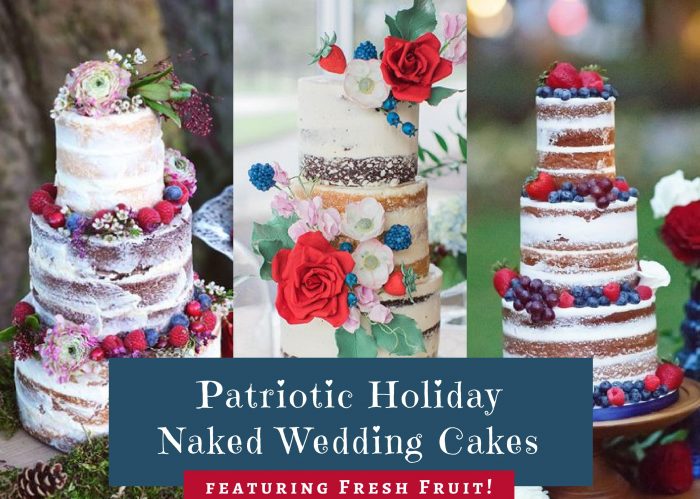
Food, General Planning, Theme & Decor, Uncategorized, Venues, Wedding
Patriotic Holiday Naked Wedding Cakes




Accessories, Dresses, General Planning, Skin & Makeup, Theme & Decor, Wedding
Fun & Easy Work-Appropriate Halloween Costume Ideas
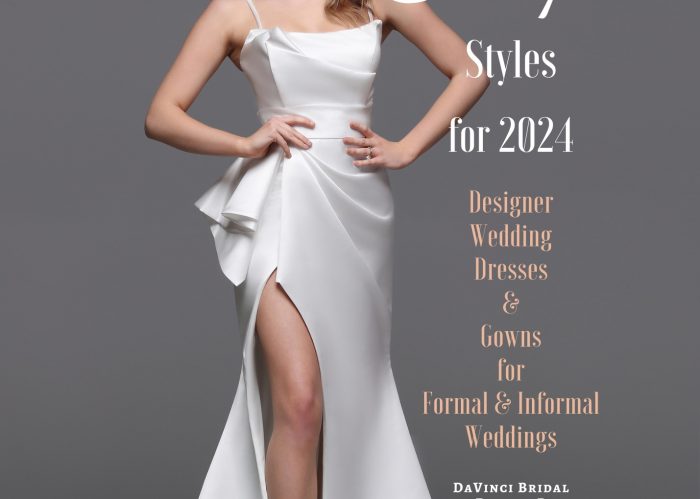
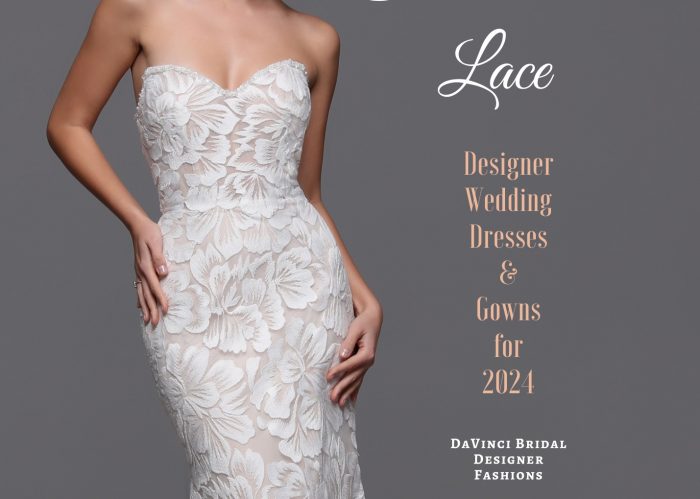
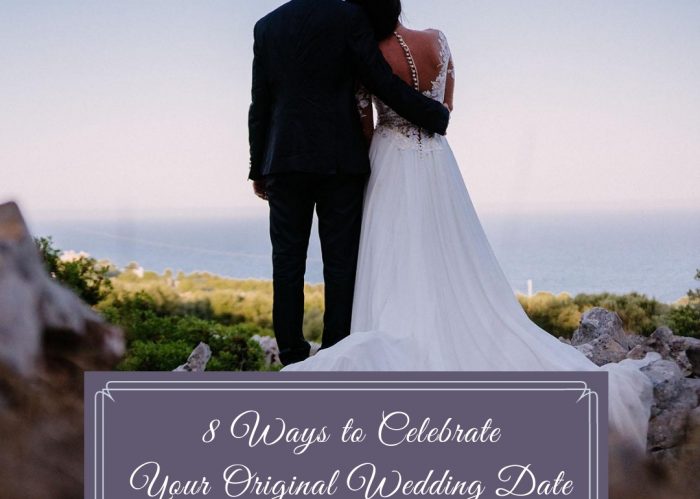
Dresses, General Planning, Theme & Decor, Venues, Wedding
8 Ways to Celebrate Your Original Wedding Date
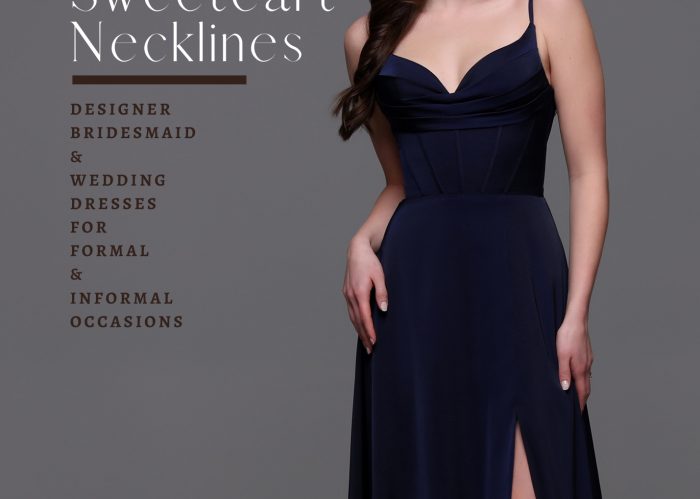


Dresses, General Planning, Photography, Theme & Decor, Video, Wedding
Top 5 Confidence-Building Engagement Shoot Hacks
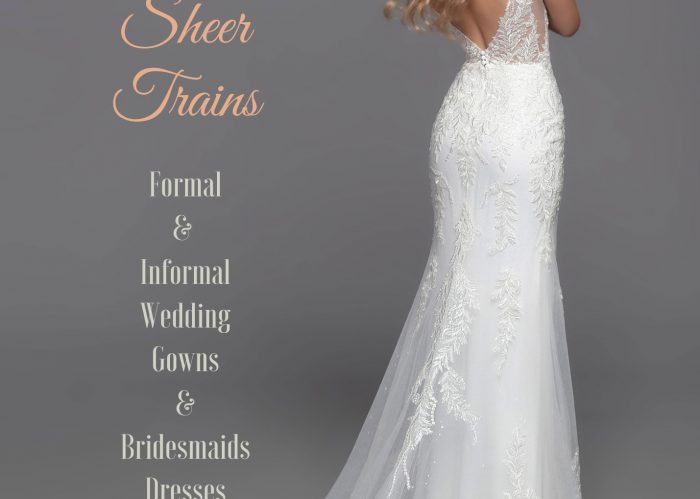
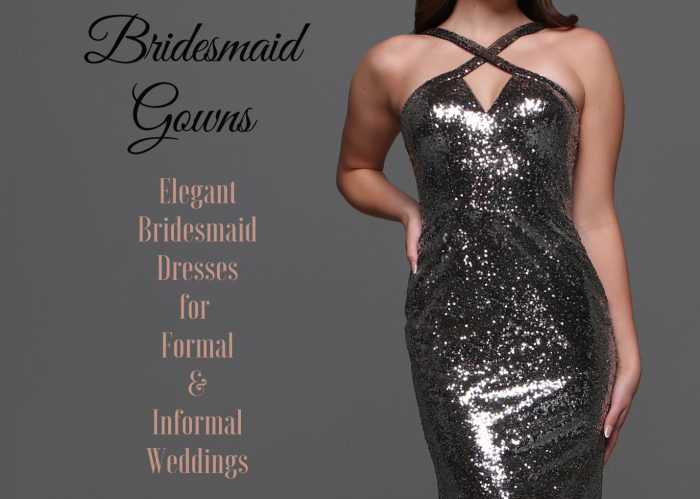

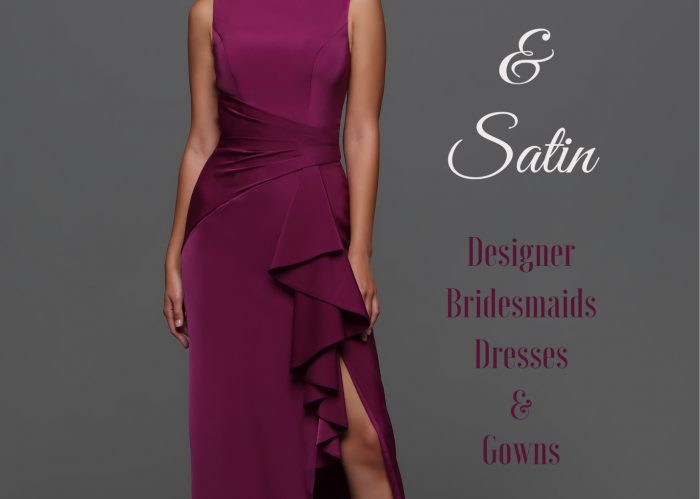
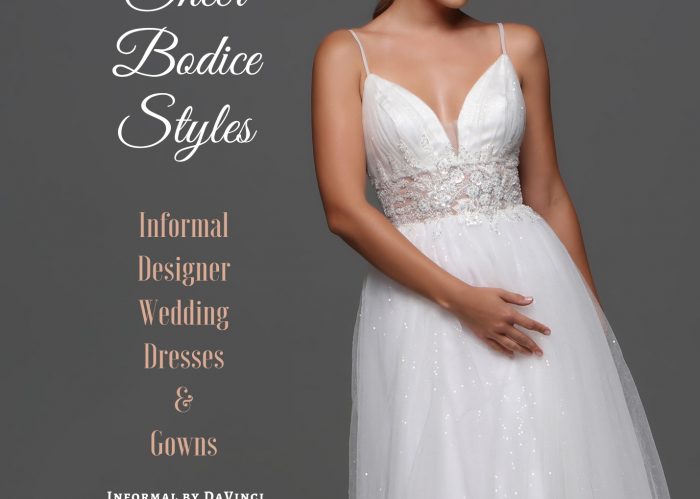
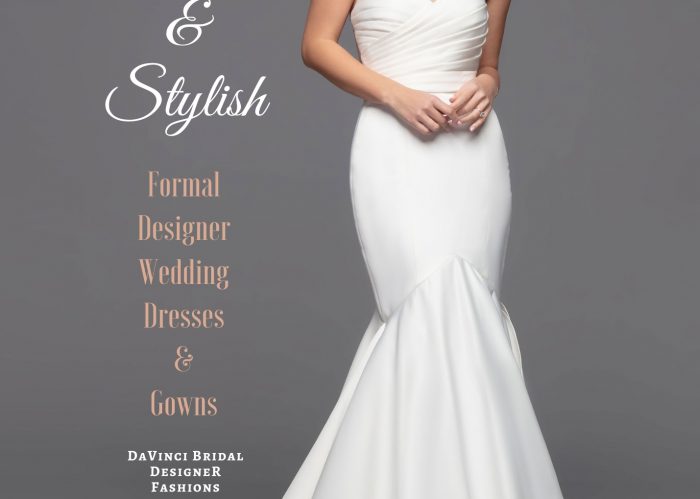
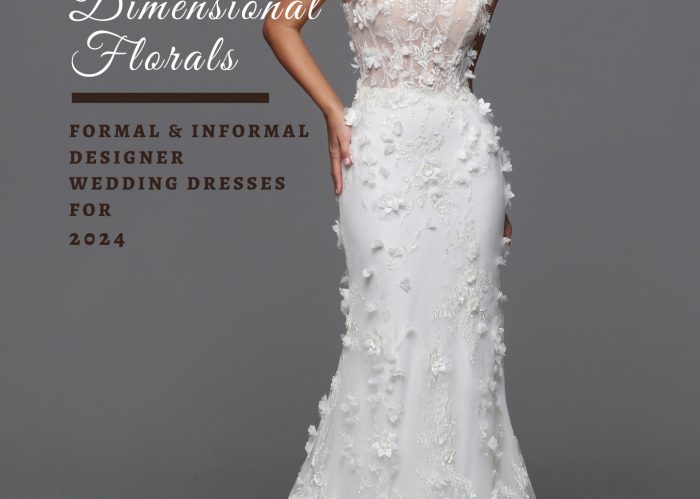
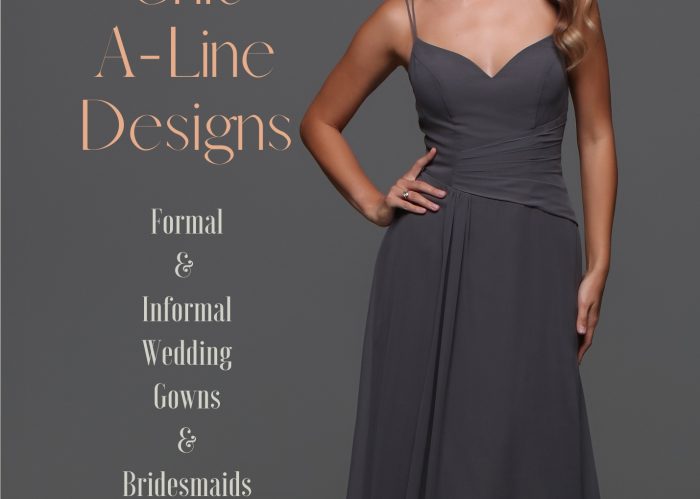
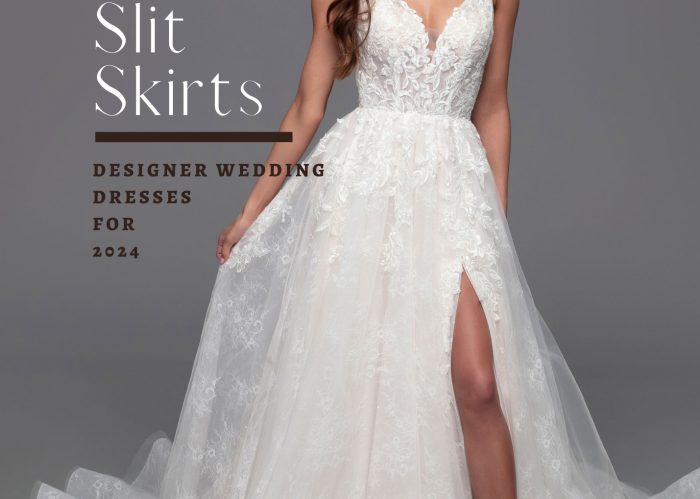

Dresses, General Planning, Theme & Decor, Wedding
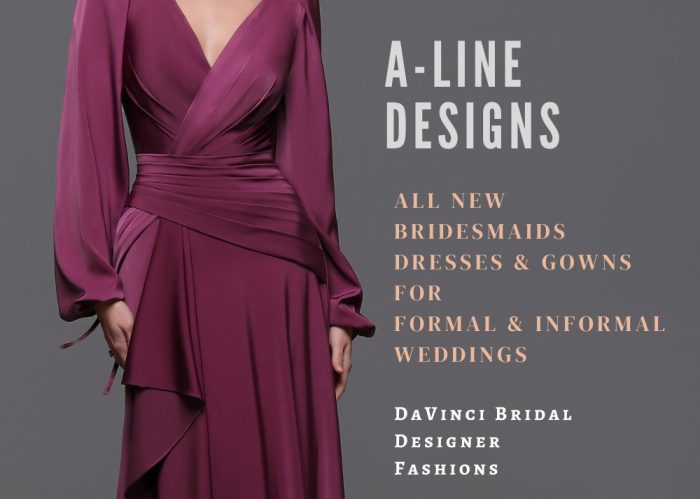
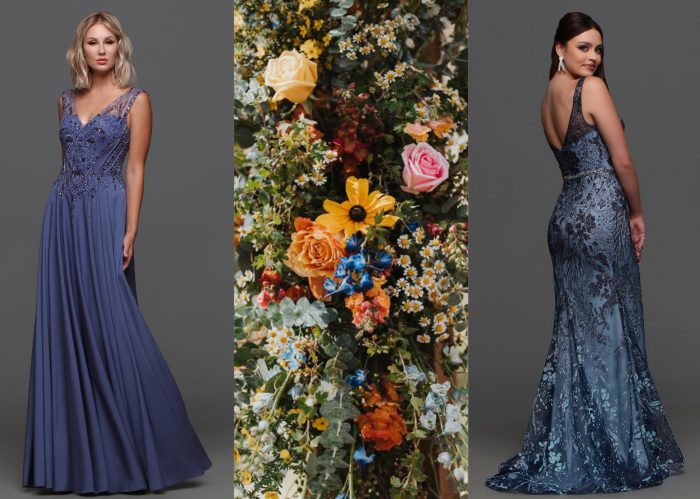
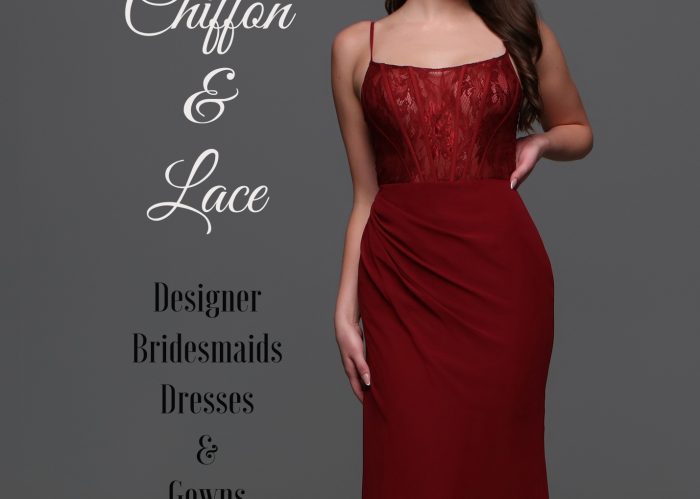
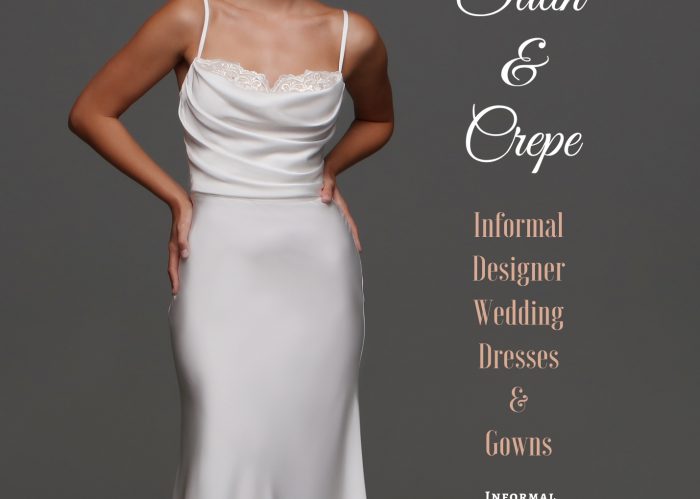
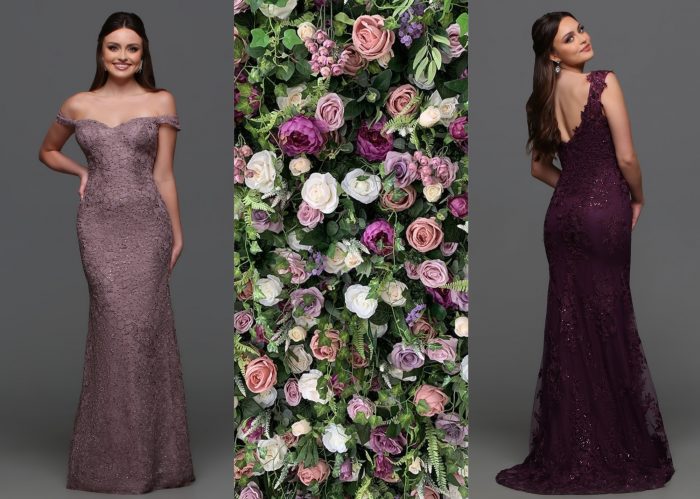
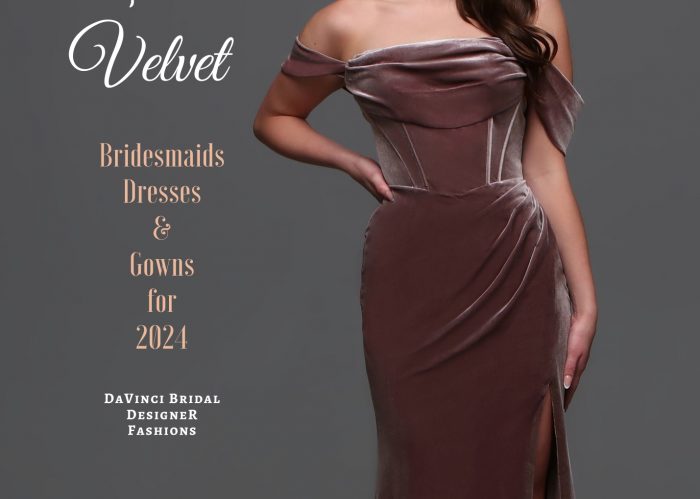
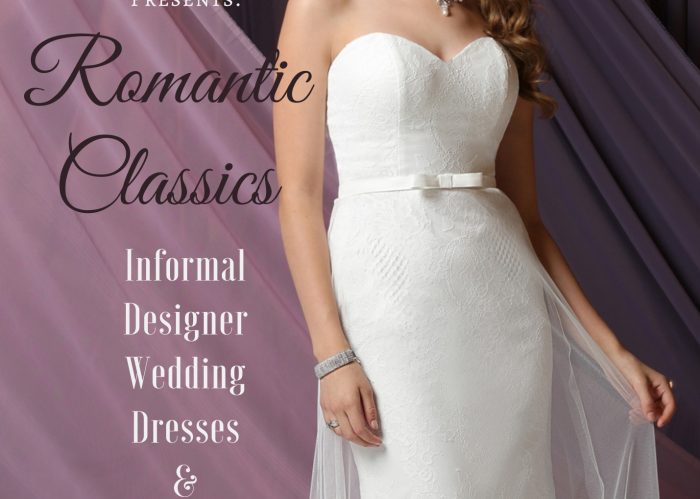
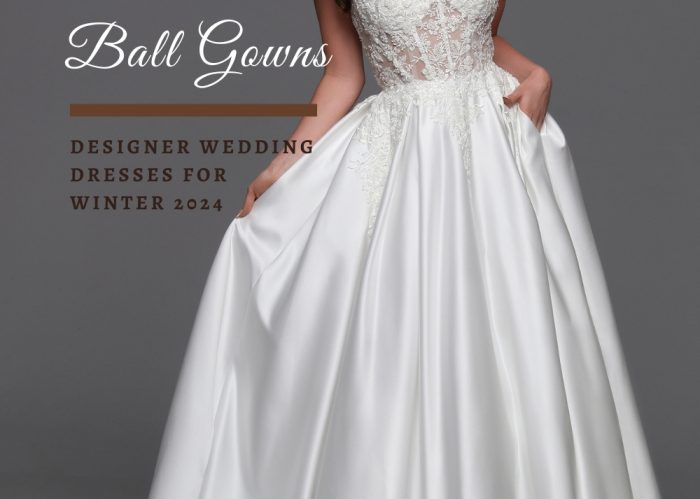
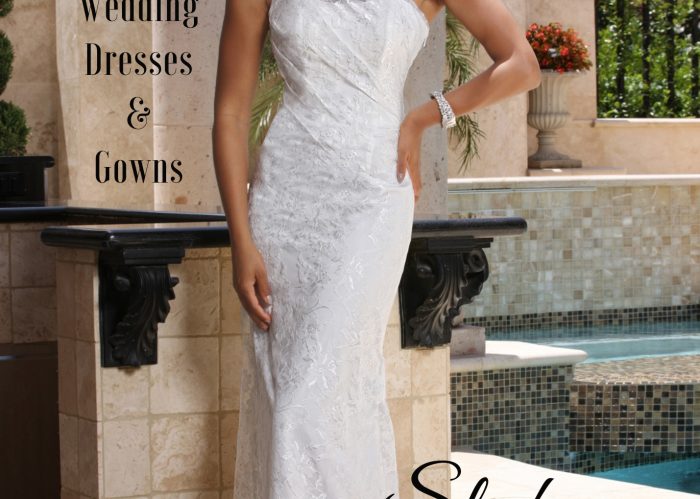
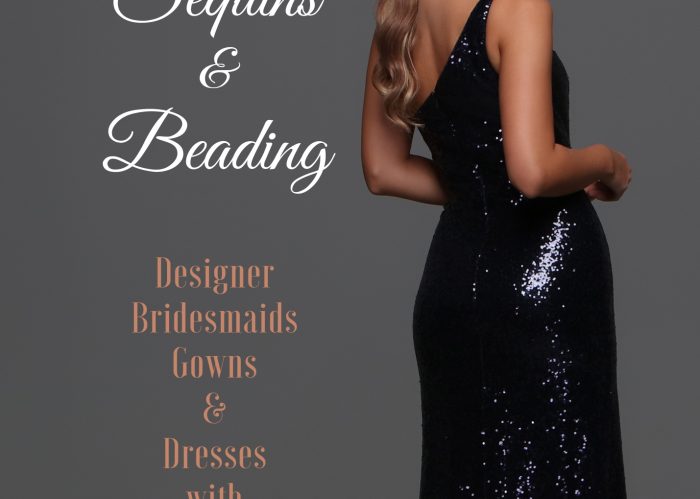
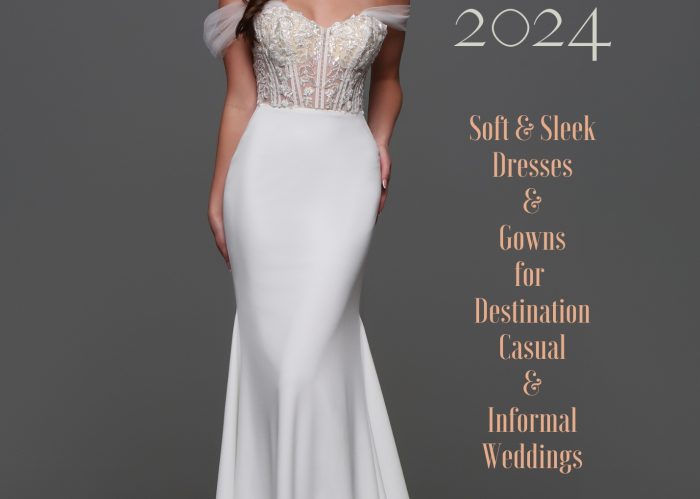
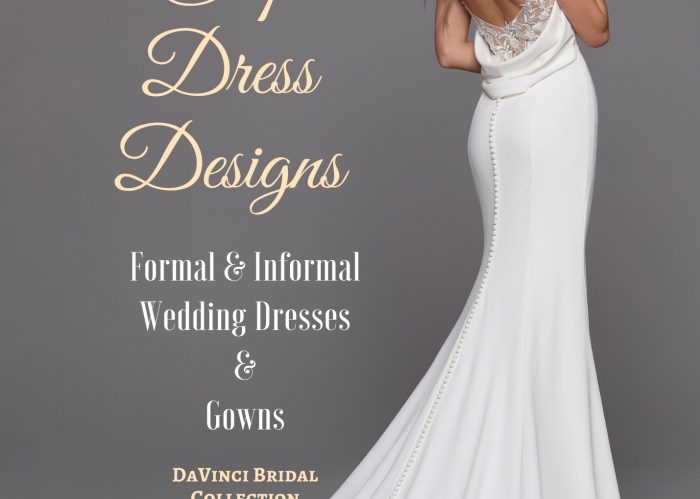
Informal by DaVinci Wedding Dresses 2024 Sneak Peek
Dresses, Entertainment (celebs, music, movies), Health & Fitness, Relationships, Uncategorized, Wedding
20 Date Night Ideas for Newlyweds



Accessories, Dresses, Hair, Nails, Shoes, Theme & Decor, Wedding
Holiday Fashion Guide: How to Style a Sequin Dress


Accessories, Dresses, General Planning, Theme & Decor, Venues, Wedding
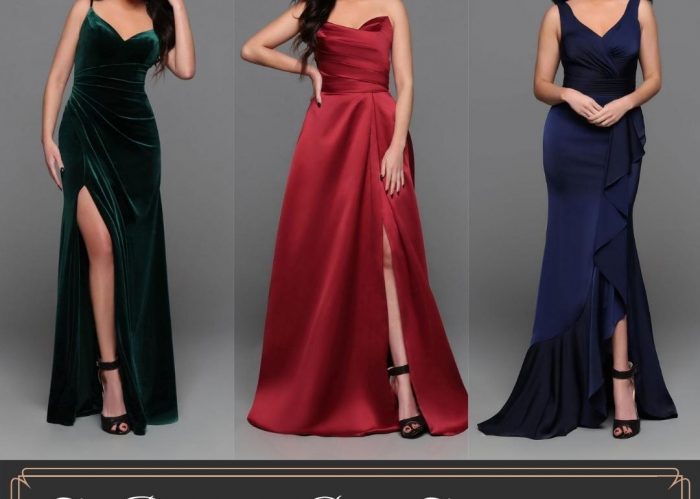
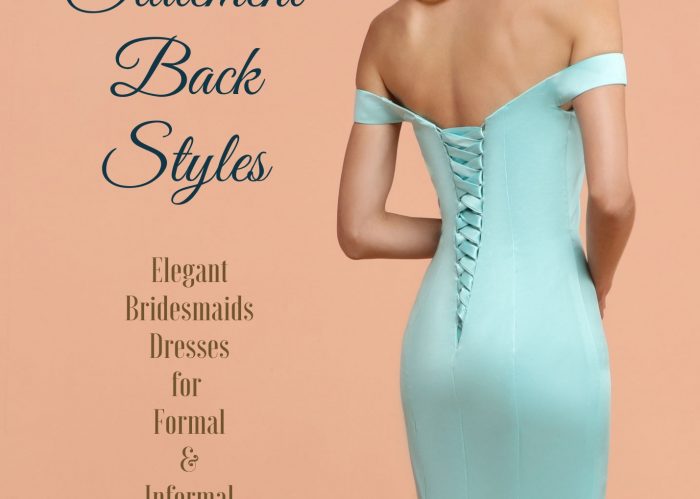
Top 6 Classic Wedding Dress Trends



Dresses, General Planning, Relationships, Theme & Decor
10 Romantic Ways to Surprise Your Husband on Your Wedding Night
Accessories, Dresses, General Planning, Theme & Decor, Wedding
Long Sleeve Bridal Dresses & Wedding Gowns – DaVinci Bridal

Accessories, Dresses, Food, Giving Back, History & Tradition, Relationships, Theme & Decor, Wedding
5-Step Last-Minute Halloween Party Guide
Accessories, Dresses, General Planning, Theme & Decor, Wedding
Best Slip Wedding Dresses for 2021 & 2022
Dresses, General Planning, Theme & Decor, Wedding
All New! 2021 Fit & Flare Wedding Dresses Sneak Peek – DaVinci Bridal


Food, General Planning, Relationships, Theme & Decor, Wedding
Bridal Shower Towel Cakes: 12 Adorable Ideas
Dresses, General Planning, Theme & Decor, Wedding
Soft Satin Bridesmaids Dresses 2021 Sneak Peek – DaVinci Bridal

Dresses, General Planning, Theme & Decor, Wedding
Velvet Bridesmaids Dresses 2021 Sneak Peek – DaVinci Bridal
Accessories, Dresses, General Planning, Theme & Decor, Venues, Wedding
Informal & Destination Sheath & Column Wedding Dresses for 2021 – DaVinci Bridal
Dresses, General Planning, Hair, Theme & Decor, Wedding
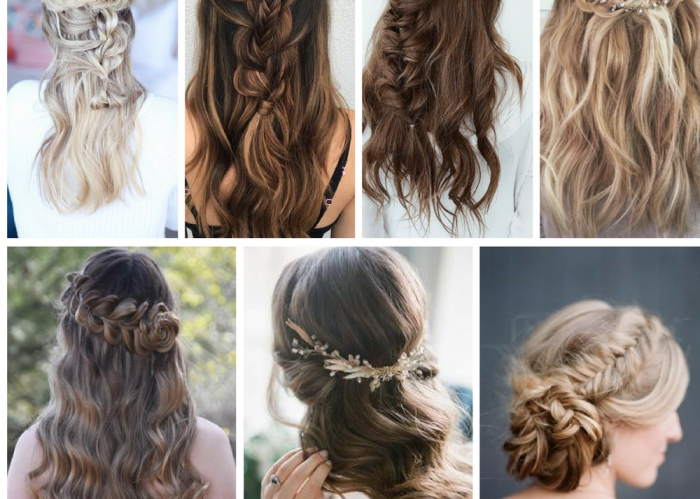
80+ Bridal-Inspired DIY Hairstyles for Your Wedding Party
Accessories, Dresses, General Planning, Theme & Decor, Wedding
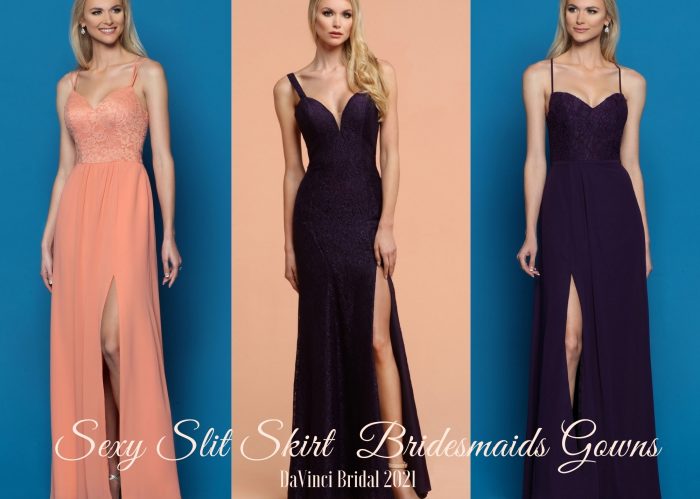
Sexy Slit Skirt Bridemaids Dresses for 2021 – DaVinci Bridal
Accessories, Dresses, General Planning, Theme & Decor, Venues, Wedding
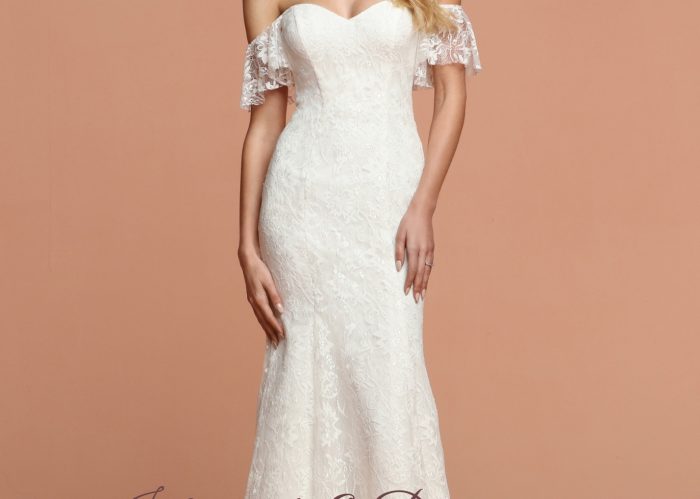
Informal & Destination Fit & Flare Wedding Dresses for 2021 – DaVinci Bridal
Dresses, General Planning, Theme & Decor, Wedding
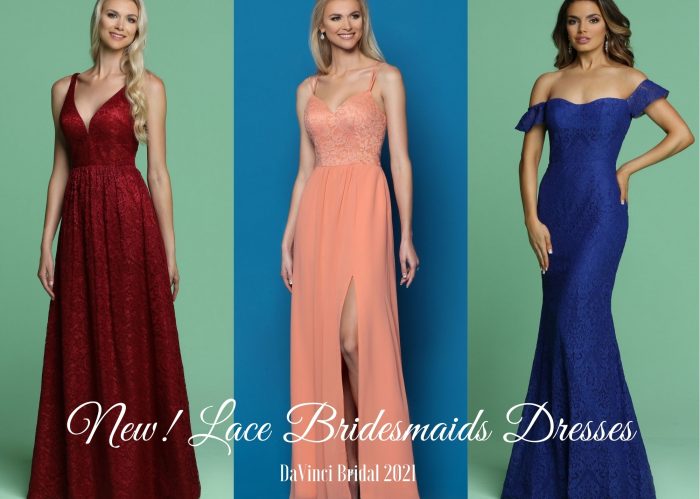
Sequin Bridesmaids Dresses for 2021 – DaVinci Bridal
Accessories, Dresses, General Planning, Theme & Decor, Venues, Wedding
Informal & Destination A-Line Wedding Dresses for 2020 – DaVinci Bridal
Dresses, General Planning, Theme & Decor, Wedding
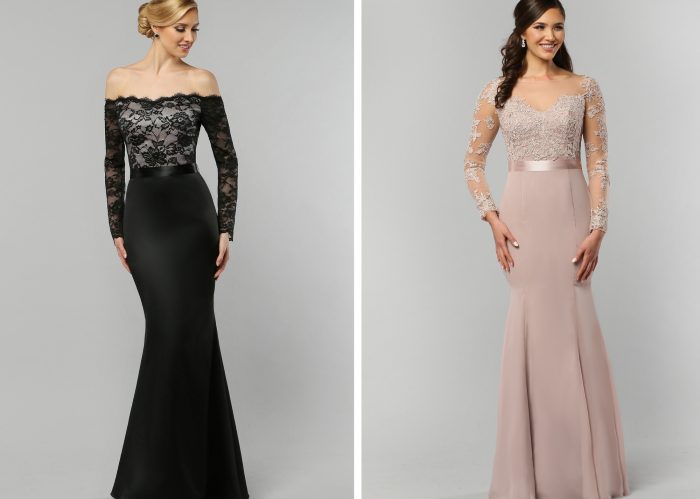
Bridesmaids Dresses with Sleeves Fall & Winter 2020 – DaVinci Bridal
Accessories, Dresses, General Planning, Theme & Decor, Venues, Wedding
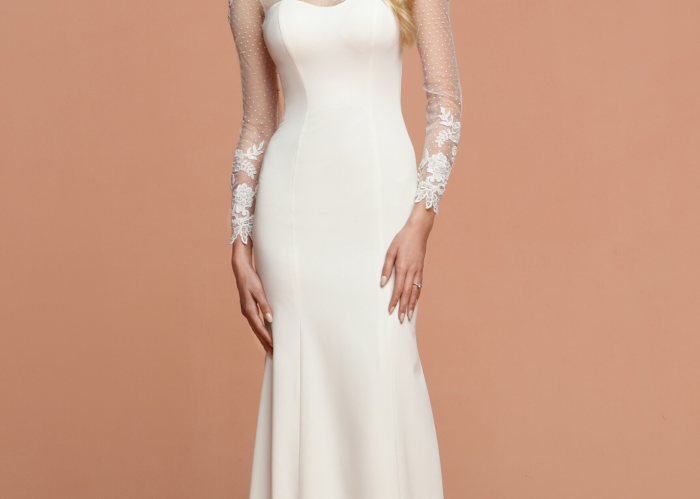
Destination & Beach Wedding Dresses 2020 Long Sleeves – DaVinci Bridal
Accessories, Dresses, General Planning, Theme & Decor, Wedding
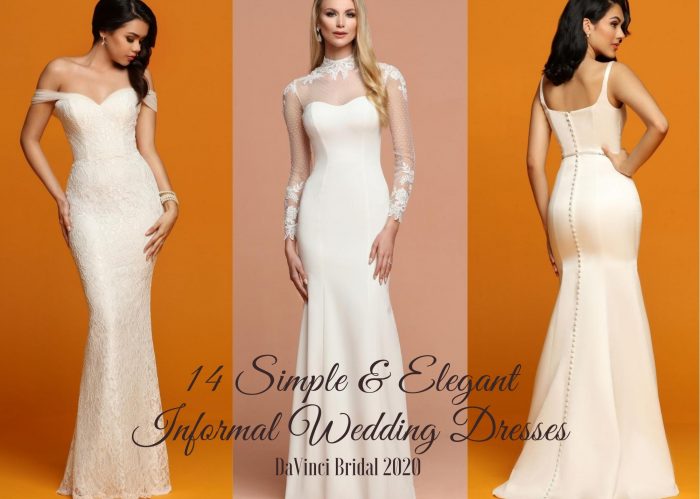
14 Simple & Elegant Informal Wedding Dresses – DaVinci Bridal Blog
Dresses, General Planning, Theme & Decor, Wedding
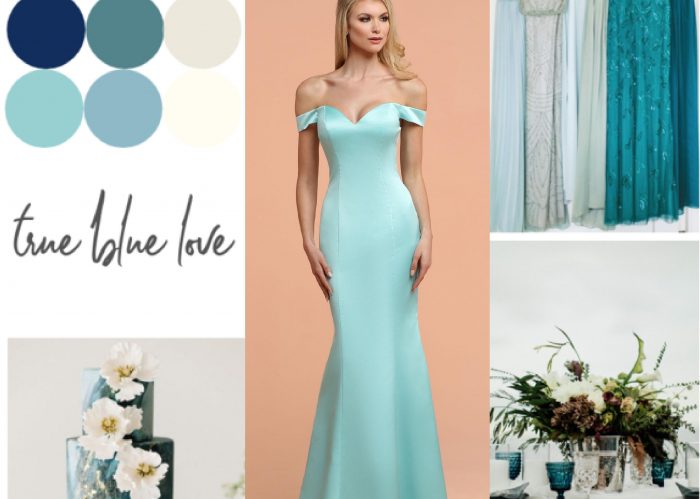
2020 Bridesmaid Dresses Color Trends Blue – DaVinci Bridal
Dresses, General Planning, Theme & Decor, Wedding
Lace Bridesmaids Dresses for 2020 – DaVinci Bridal
Accessories, Dresses, General Planning, Theme & Decor, Wedding
Dress Hems: 20 Easy to Alter Formal Wedding Gowns – DaVinci Bridal Blog
Accessories, Dresses, General Planning, Theme & Decor, Wedding
Jewel Tone Bridesmaids Dresses in Purple & Red – DaVinci Bridal
Accessories, Dresses, General Planning, Theme & Decor, Wedding
Dress Hems: 17 Easy to Alter Informal Wedding Gowns – DaVinci Bridal Blog
Accessories, Dresses, General Planning, Theme & Decor, Wedding
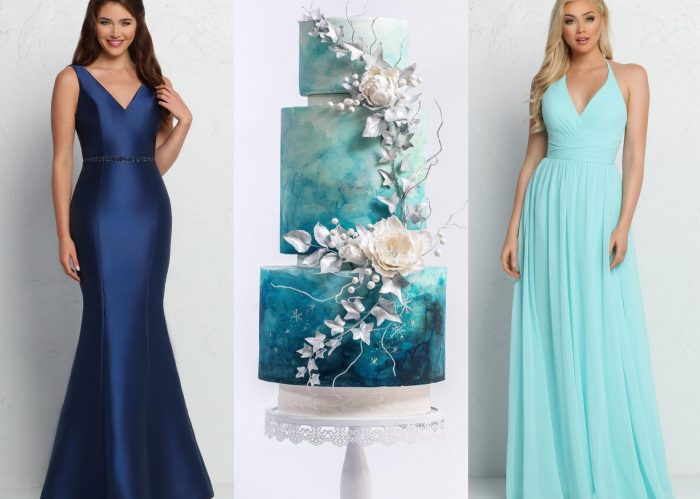
Jewel Tone Bridesmaids Dresses in Turquoise & Blue – DaVinci Bridal
Dresses, General Planning, Theme & Decor, Wedding
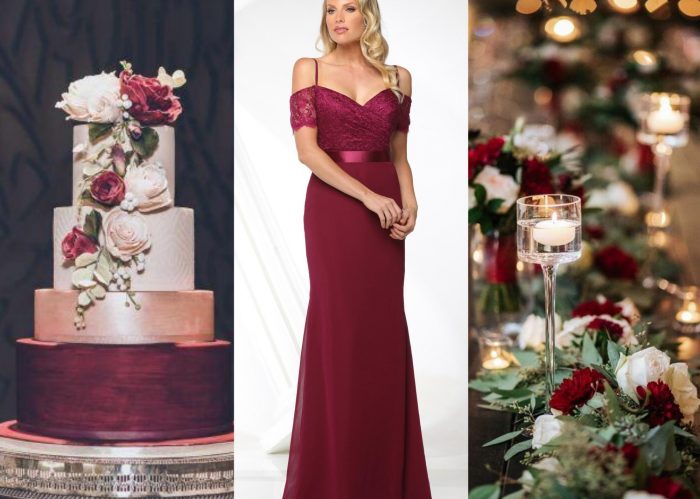
Bridesmaid Dresses in Burgundy, Wine & Bright Plum 2020 – DaVinci Bridal Blog
Accessories, Dresses, General Planning, Theme & Decor, Venues, Wedding
Light & Airy Wedding Dresses for 2020 – DaVinci Bridal
Accessories, Dresses, General Planning, Theme & Decor, Venues, Wedding
Destination & Beach Wedding Dresses 2020 Strapless Styles – DaVinci Bridal
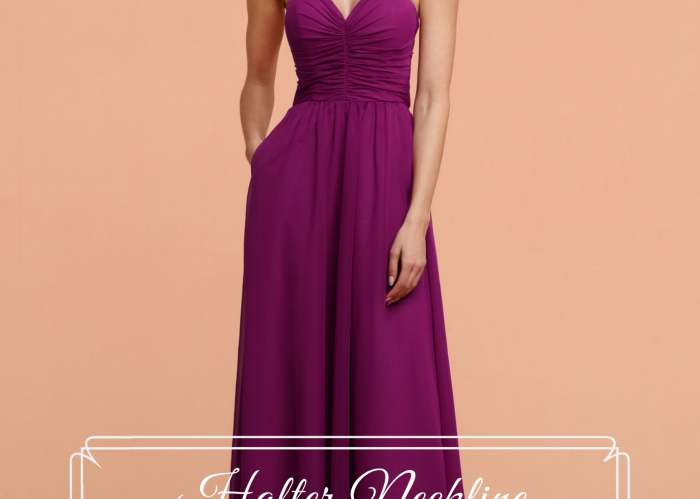
Accessories, Dresses, General Planning, Theme & Decor, Wedding
Halter Neckline Bridesmaids Dresses for 2020 – DaVinci Bridal
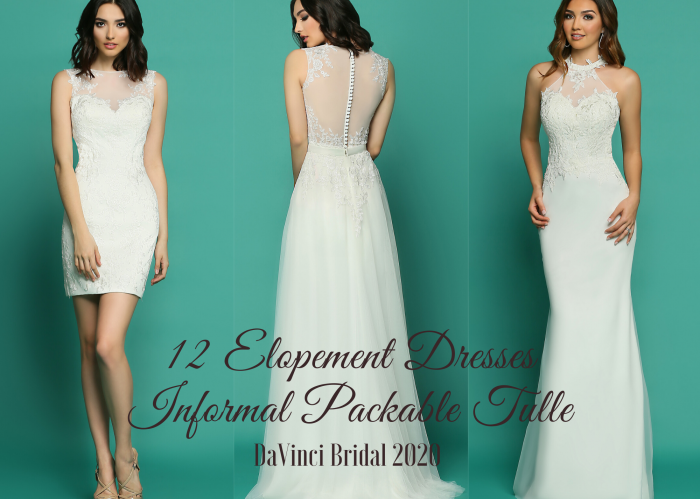
Dresses, General Planning, Theme & Decor, Venues, Wedding
12 Elopement Dresses in Informal Packable Tulle – DaVinci Bridal Blog
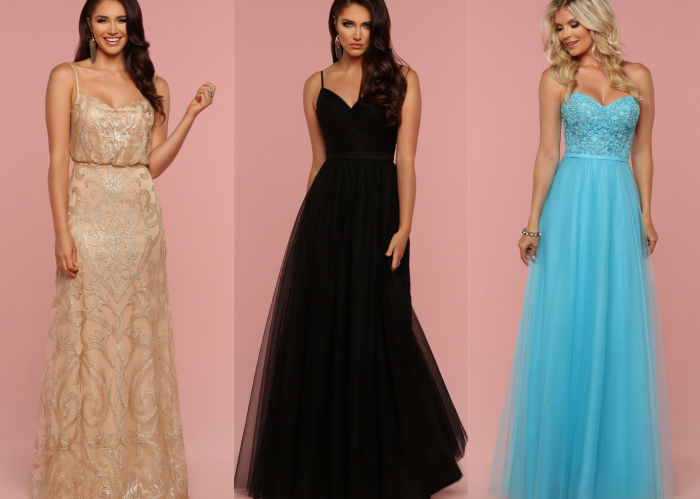
Accessories, Dresses, General Planning, Theme & Decor, Wedding
Tulle Bridesmaid Dresses for 2020 – DaVinci Bridal

Dresses, General Planning, Photography, Theme & Decor, Venues, Video, Wedding
How to Reschedule (Not Cancel!) Your Wedding – DaVinci Bridal Blog
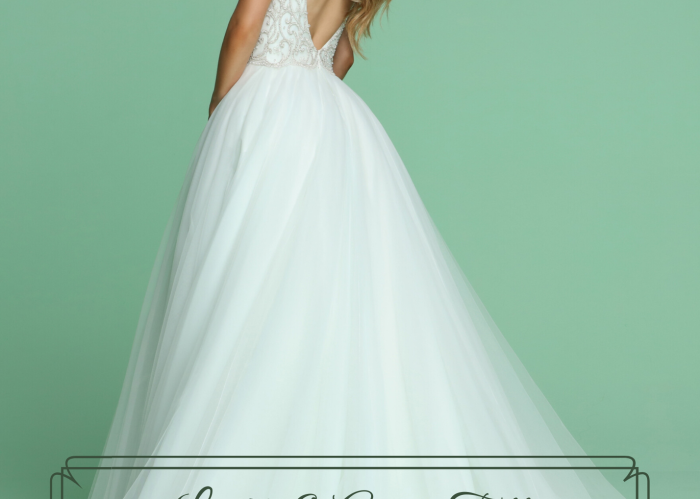
Dresses, General Planning, Theme & Decor, Wedding
2020 Tulle Bridal Gowns & Wedding Dresses – DaVinci Bridal Blog
Accessories, Dresses, General Planning, Theme & Decor, Wedding
Informal Destination & Beach Slip Wedding Dresses 2020 – DaVinci Bridal
Accessories, Dresses, General Planning, Theme & Decor, Wedding
Structured Silhouette Bridesmaids Dresses for 2020 – DaVinci Bridal
Accessories, Dresses, General Planning, Theme & Decor, Wedding
V-Neckline Bridesmaids Dresses for 2020 – DaVinci Bridal

Dresses, General Planning, Wedding
Virtually Plan & Livestream Your Wedding How-to Guide – DaVinci Bridal Blog
Accessories, Dresses, General Planning, Theme & Decor, Venues, Wedding
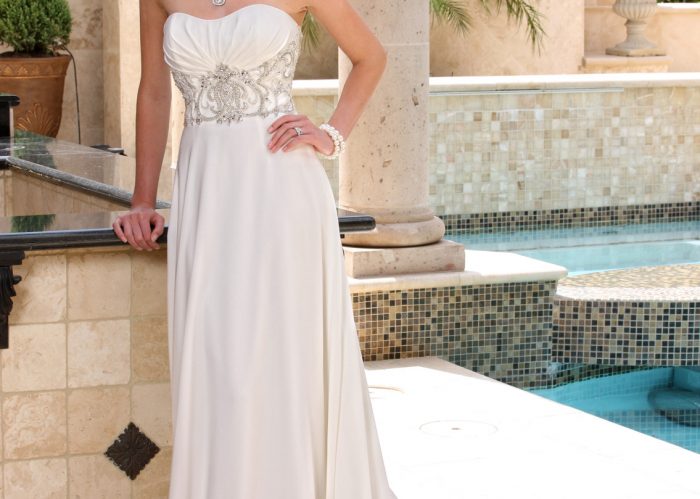
Sheath & Column Wedding Dresses for 2020 – DaVinci Bridal
Accessories, Dresses, General Planning, Theme & Decor, Wedding
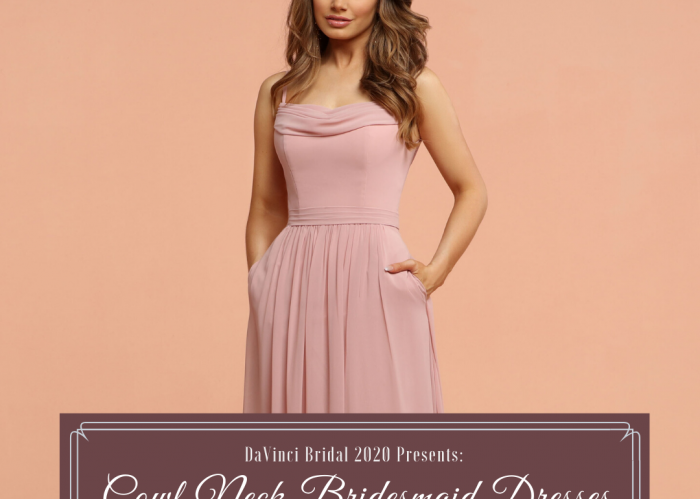
Cowl Neck Bridesmaids Dresses for 2020 – DaVinci Bridal

Dresses, General Planning, Uncategorized, Wedding
It’s OK to Grieve Your Postponed Wedding – DaVinci Bridal Blog
Accessories, Dresses, General Planning, Theme & Decor, Wedding
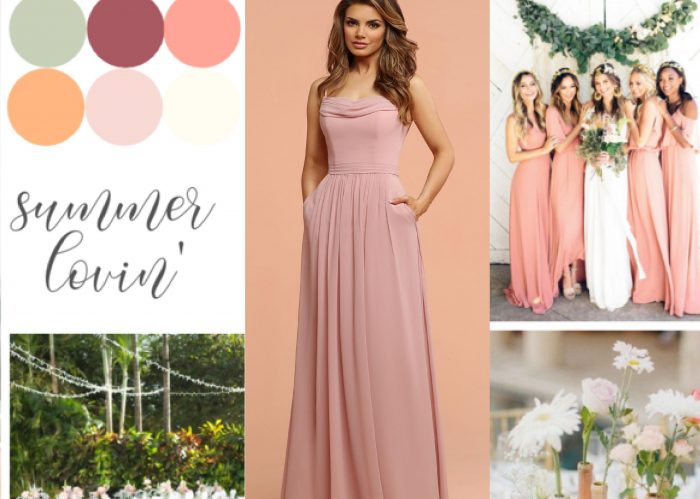
2020 Bridesmaid Dresses Color Trends: Rose – DaVinci Bridal
Accessories, Dresses, General Planning, Theme & Decor, Venues, Wedding
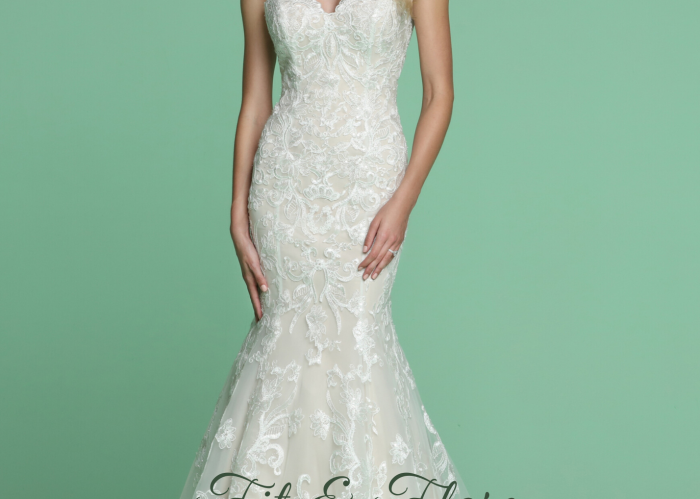
2020 Fit & Flare Wedding Dress Lookbook – DaVinci Bridal
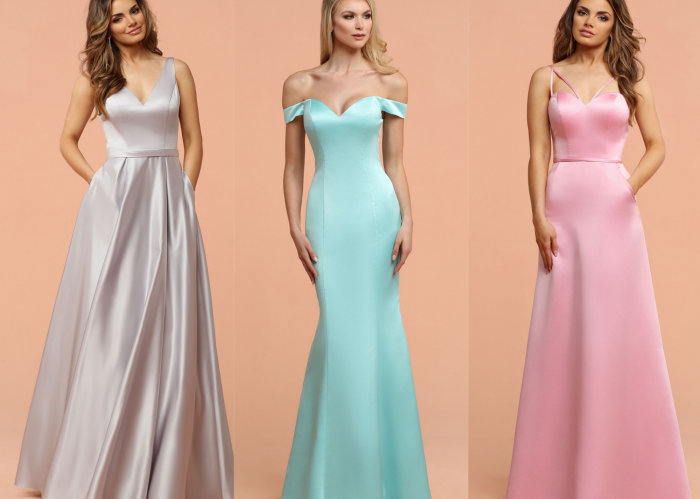
Accessories, Dresses, General Planning, Theme & Decor, Wedding
Satin & Silk Bridesmaids Dresses for 2020 – DaVinci Bridal
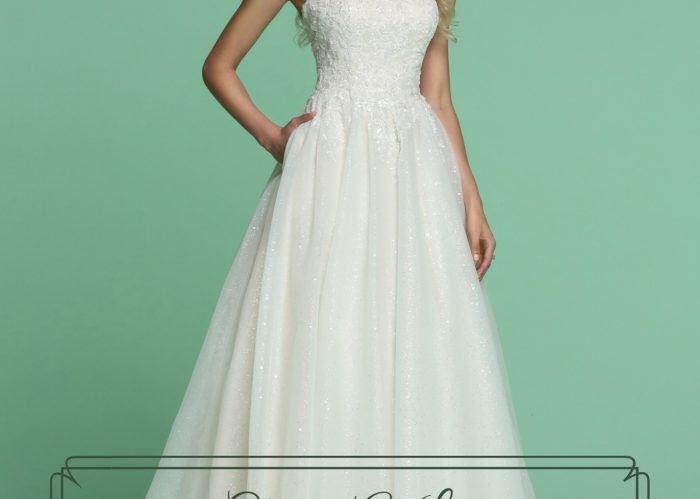
Accessories, Dresses, General Planning, Theme & Decor, Venues, Wedding
2020 Classic A-Line Wedding Dress Lookbook – DaVinci Bridal
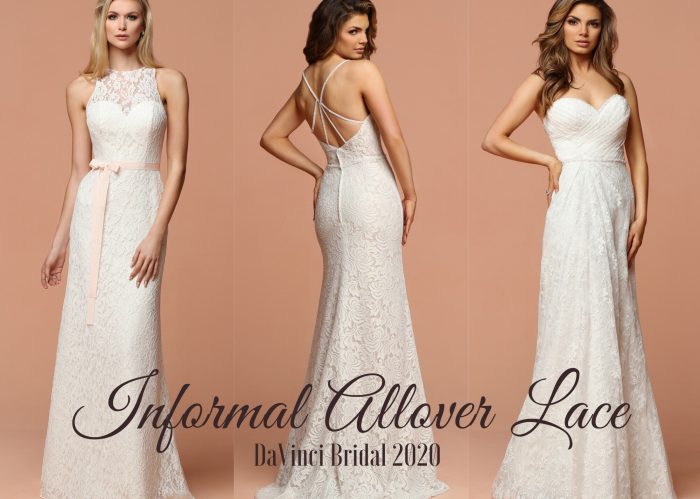
Accessories, Dresses, General Planning, Theme & Decor, Venues, Wedding
Destination & Beach Wedding Dresses 2020 Allover Lace – DaVinci Bridal
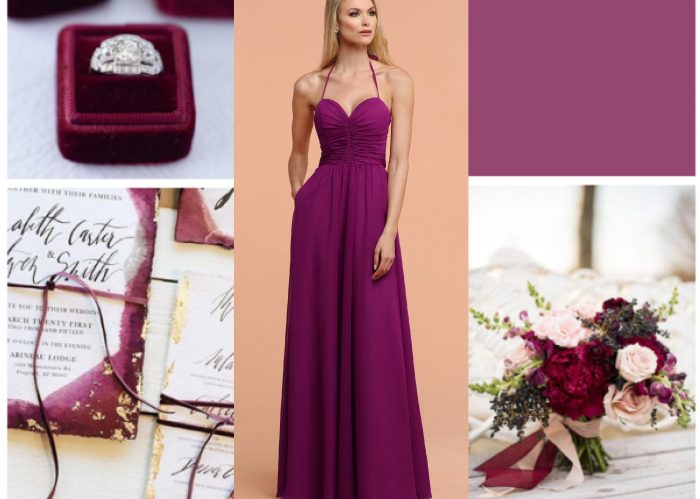
Accessories, Dresses, General Planning, Theme & Decor, Wedding
2020 Bridesmaid Dresses Color Trends: Cassis – DaVinci Bridal
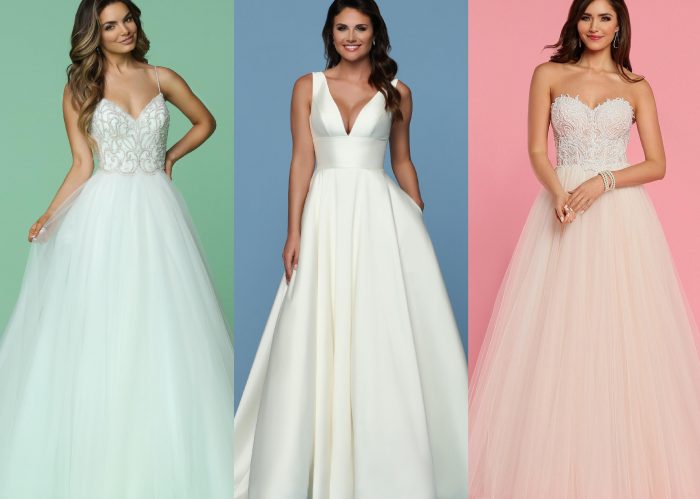
Accessories, Dresses, General Planning, Theme & Decor, Venues, Wedding
Classic Ball Gown Wedding Dresses for 2020 – DaVinci Bridal
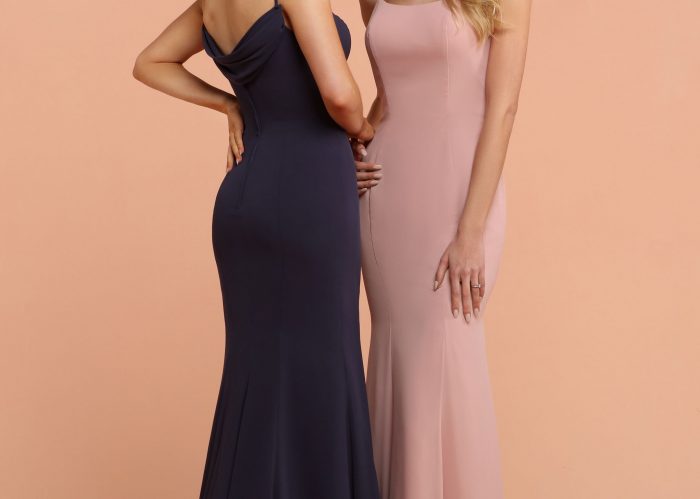
Accessories, Dresses, General Planning, Theme & Decor, Wedding
Elegant Jewel Tone Bridesmaids Dresses for 2020 – DaVinci Bridal
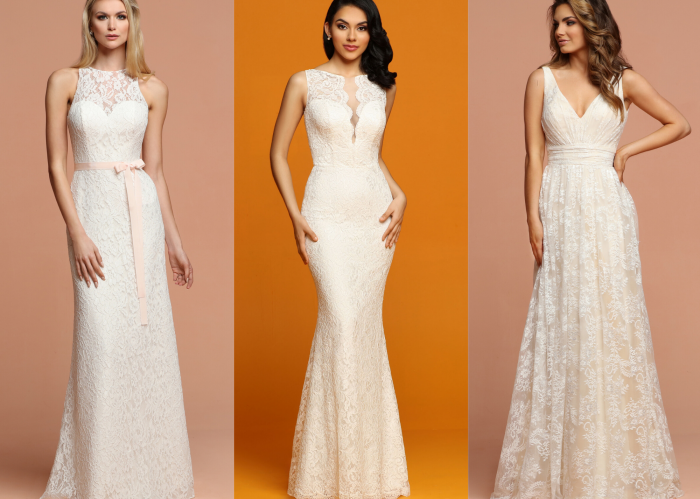
Accessories, Dresses, General Planning, Theme & Decor, Venues, Wedding
Destination & Beach Wedding Dresses 2020 Modest Styles – DaVinci Bridal
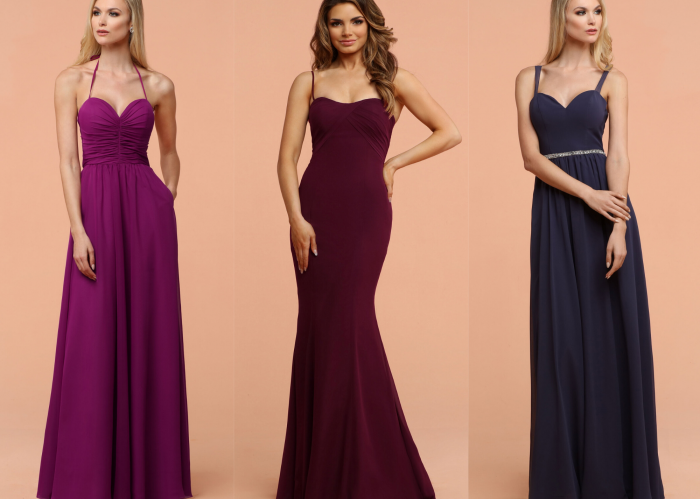
Dresses, General Planning, Theme & Decor, Wedding
Chiffon Bridesmaids Dresses for 2020 – DaVinci Bridal
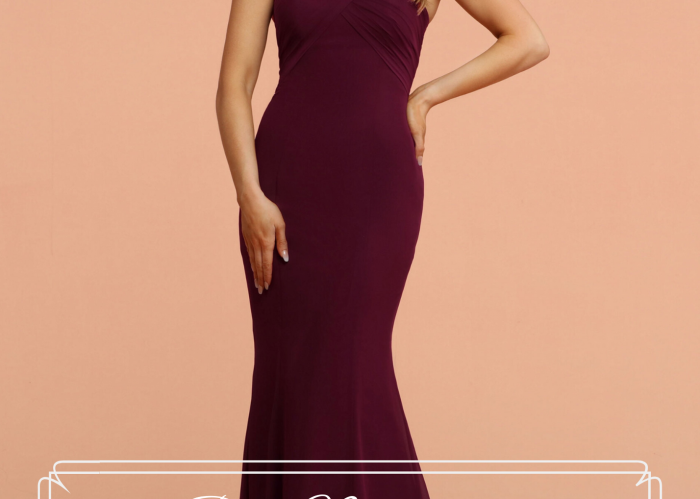
Accessories, Dresses, General Planning, Theme & Decor, Wedding
Best New Bridesmaids Dress Color Ideas for 2020 – DaVinci Bridal
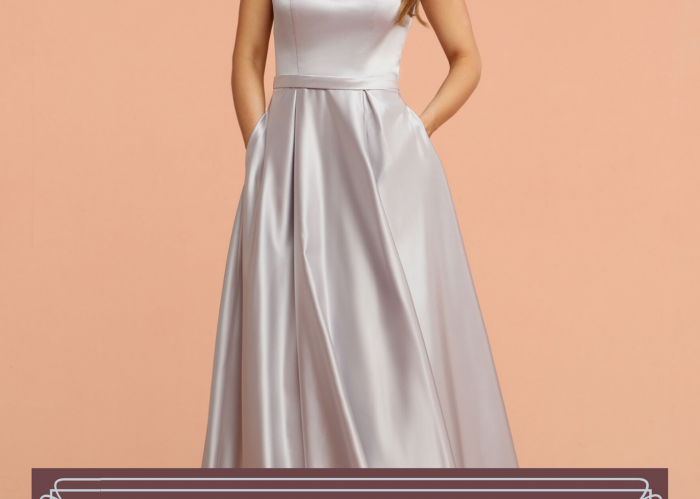
Accessories, Dresses, General Planning, Theme & Decor, Wedding
Dressy Full Skirt Bridesmaid Dresses – DaVinci Bridal
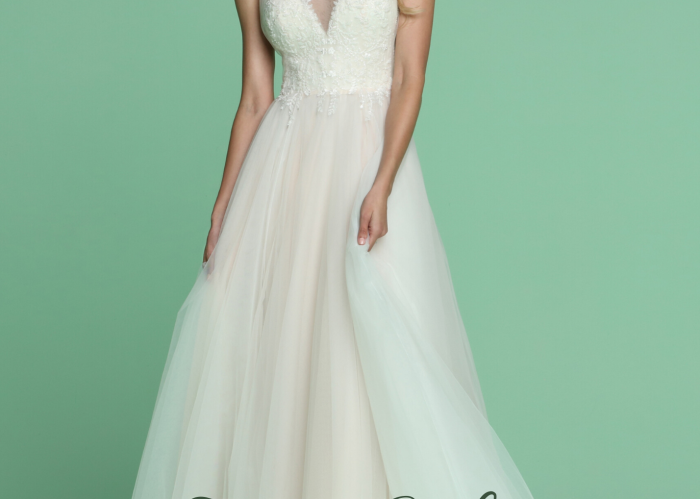
Accessories, Dresses, General Planning, Theme & Decor, Wedding
A-Line Ball Gown Wedding Dresses for 2020 – DaVinci Bridal Blog
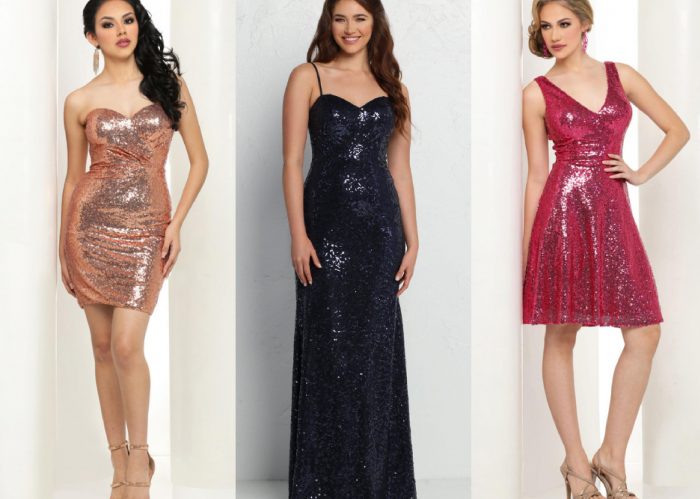
Accessories, Dresses, General Planning, Theme & Decor, Wedding
Best Sequin & Sparkly Bridesmaid Dresses for 2020 – Davinci Bridal
Accessories, Dresses, General Planning, Theme & Decor, Wedding
Winter Bridesmaid Dresses 2020 Limited Edition- DaVinci Bridal Blog
Accessories, Dresses, General Planning, Theme & Decor, Wedding
Meet Our New 2020 Wedding Dress Collection! DaVinci Bridal
Accessories, Dresses, General Planning, Theme & Decor, Wedding
Classic Wedding Color Schemes Red Bridesmaid Dresses – DaVinci Bridal Fashion Blog
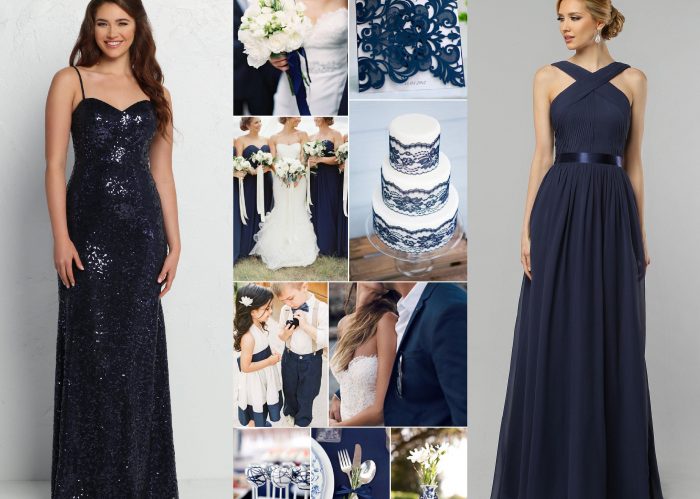
Accessories, Dresses, General Planning, Theme & Decor, Wedding
Classic Wedding Color Scheme White with Blue Bridesmaid Dresses – DaVinci Bridal Blog
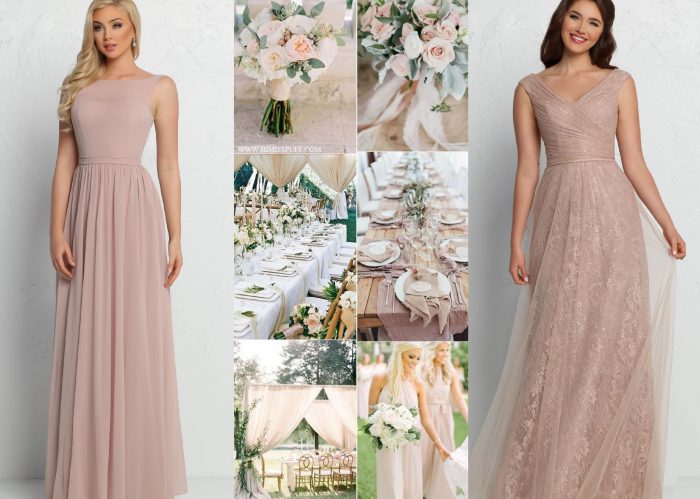
Accessories, Dresses, General Planning, Shoes, Skin & Makeup, Theme & Decor, Wedding
Top Wedding Color Trends Monochromatic Neutrals – DaVinci Bridal Blog
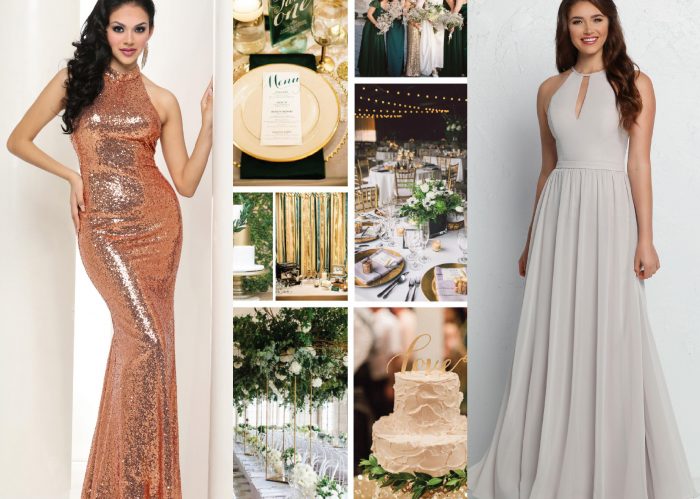
Accessories, Dresses, General Planning, Theme & Decor, Wedding
Elegant Wedding Color Scheme Gold & Off White Bridesmaids Dresses – DaVinci Bridal Blog
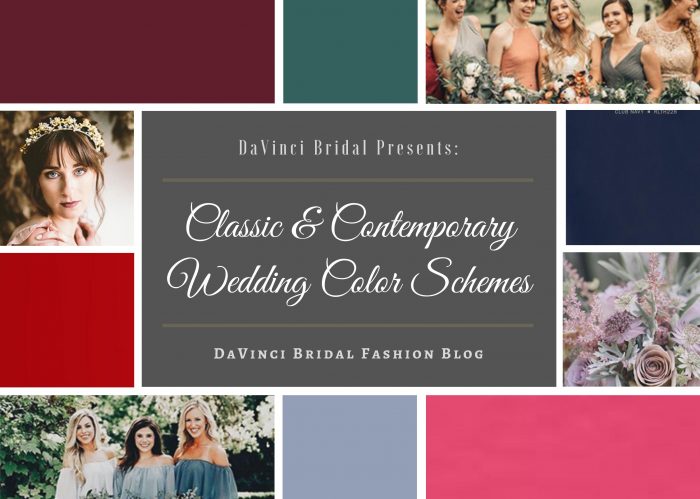
Dresses, General Planning, Theme & Decor, Wedding
8 Classic Wedding Color Schemes – DaVinci Bridal Fashion Blog
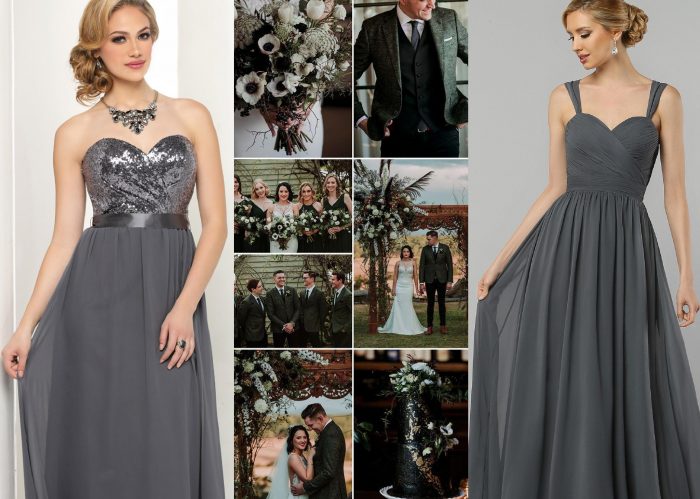
Accessories, Dresses, Theme & Decor, Wedding
Gray Bridesmaids Dresses for Any Season – DaVinci Bridal Blog
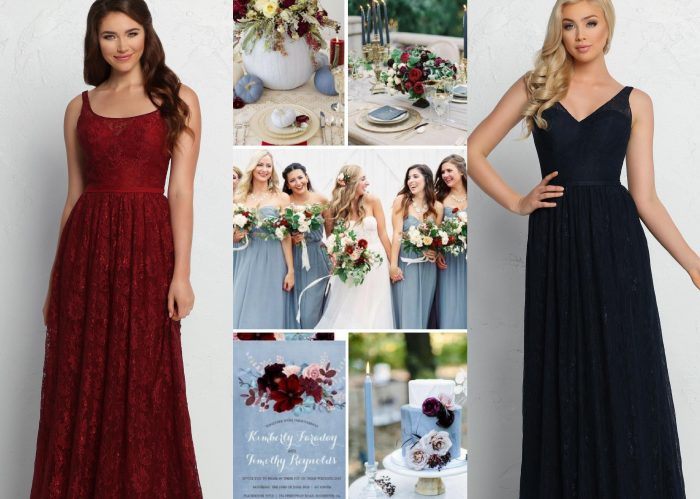
Dresses, General Planning, Theme & Decor, Wedding
Blue, Burgundy & Neutral Bridesmaids Dresses – DaVinci Bridal Blog
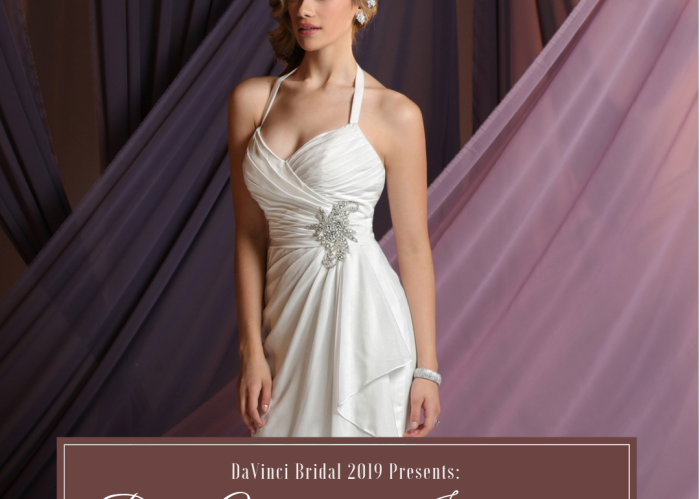
Dresses, General Planning, Theme & Decor, Wedding
2019 Bohemian Wedding Dresses & Boho Gowns – DaVinci Bridal Blog
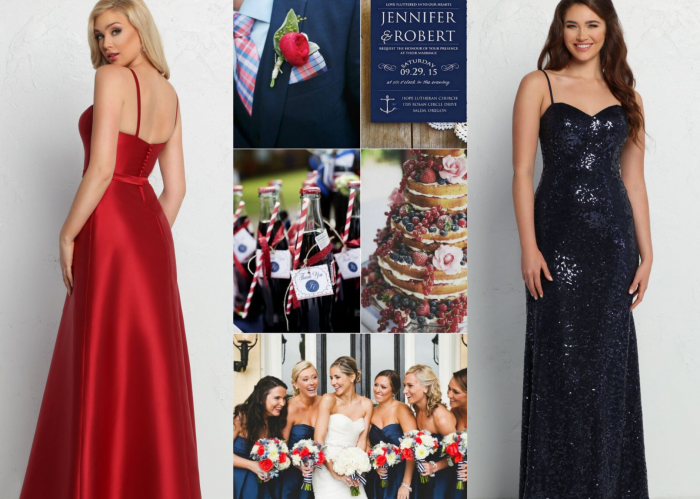
Dresses, Theme & Decor, Wedding
Red, White & Blue Patriotic Wedding Bridesmaid Dresses – DaVinci Bridal Blog
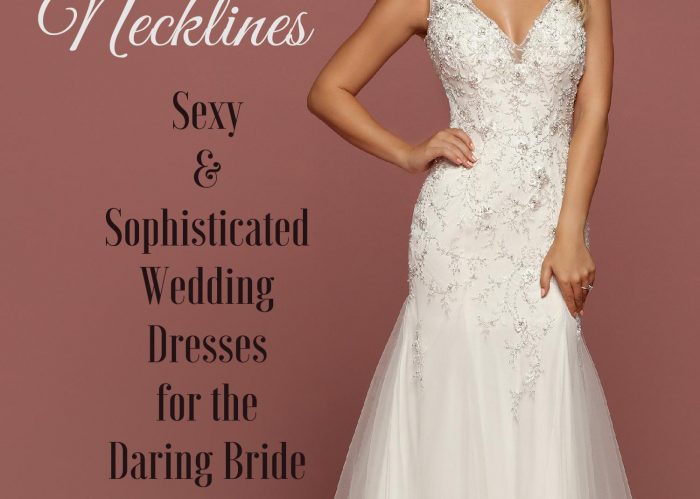
Dresses, Theme & Decor, Wedding
Plunging V-Neck Wedding Dresses for the Daring Bride – DaVinci Bridal Blog
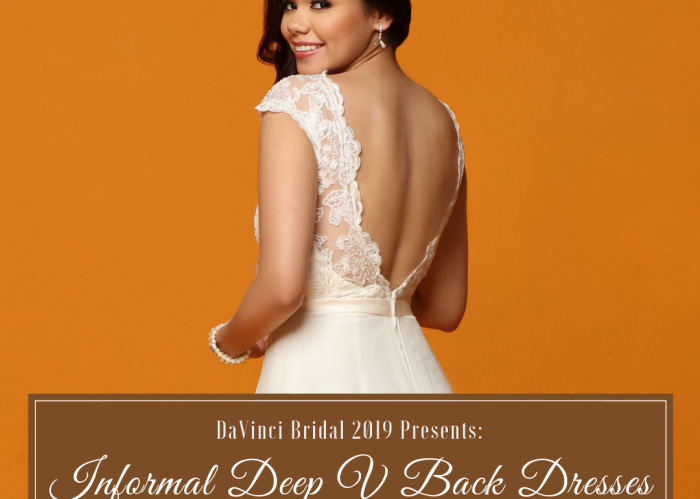
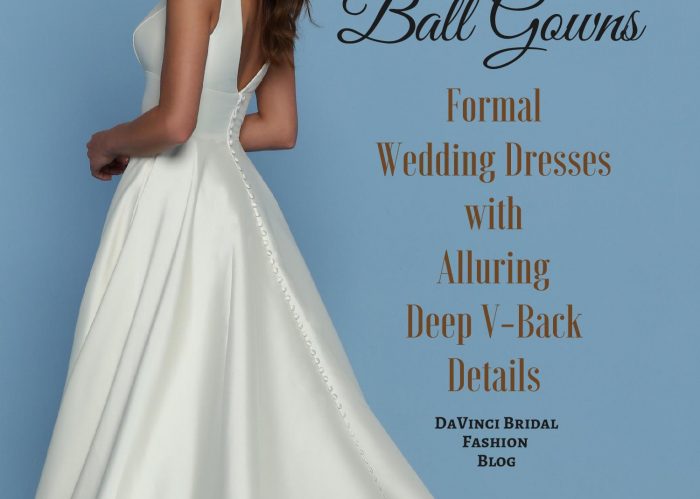
Dresses, General Planning, Theme & Decor, Wedding
Deep V Back Ball Gown Wedding Dresses 2019 – DaVinci Bridal Blog
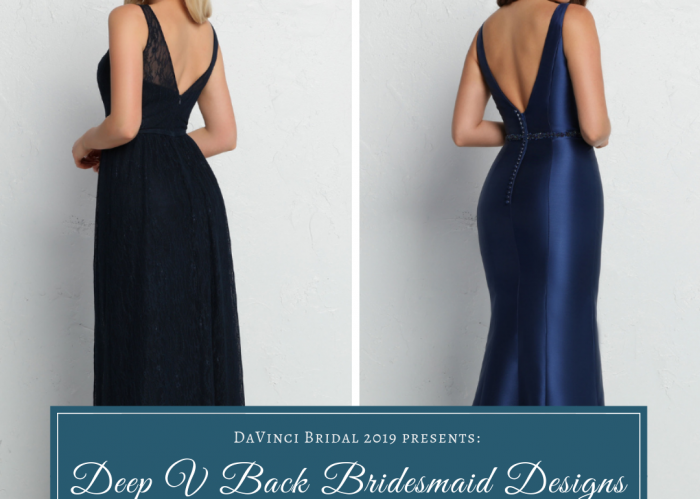
Accessories, Dresses, Hair, Shoes, Skin & Makeup, Theme & Decor
Deep V Back Bridesmaid Dresses 2019 – DaVinci Bridal Blog
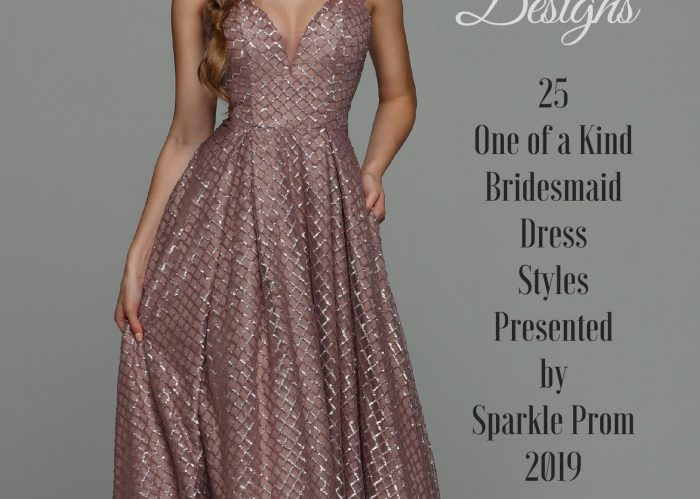
Accessories, Dresses, General Planning, Hair, Shoes, Theme & Decor, Wedding
25 Limited Edition Formal Bridesmaid Prom Dresses – DaVinci Bridal Fashion Blog
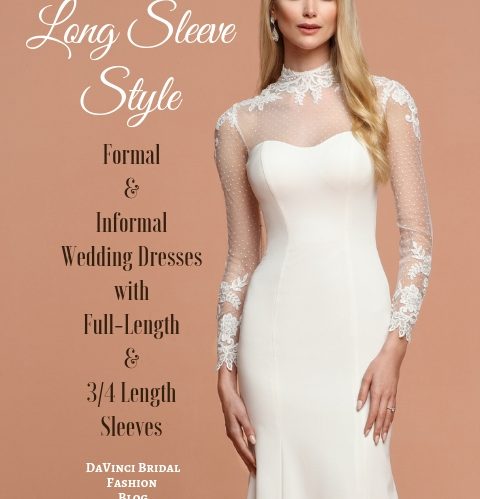
Accessories, Dresses, General Planning, Wedding
Long Sleeve Wedding Dresses for 2019 – DaVinci Bridal Fashion Blog
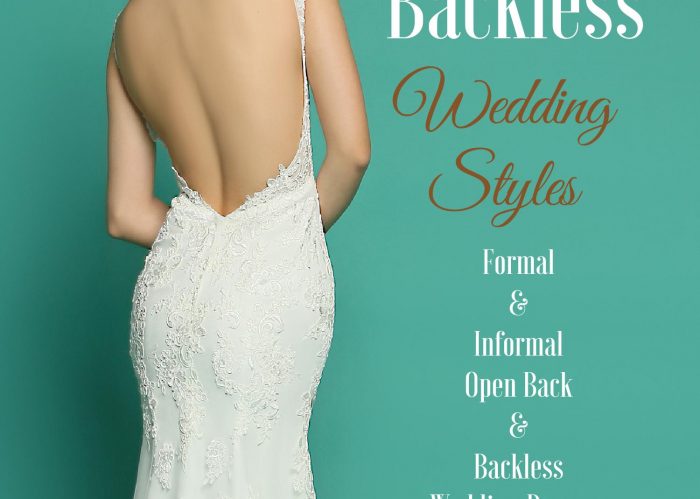
Accessories, Dresses, General Planning, Theme & Decor, Wedding
Sexy Backless Wedding Dresses for 2019 – DaVinci Bridal Fashion Blog
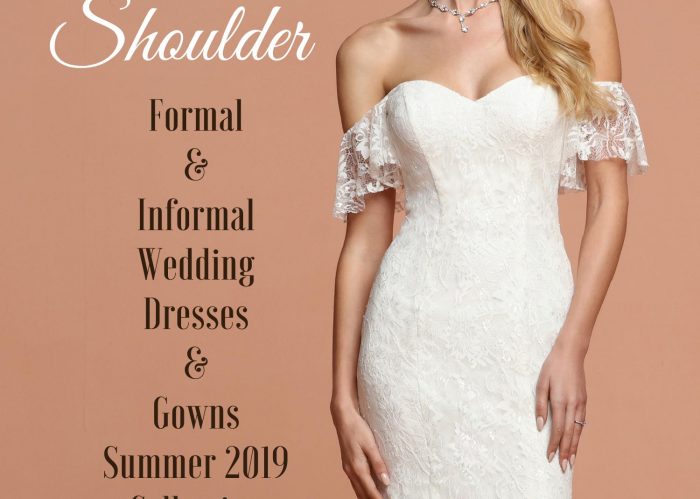
Accessories, Dresses, Theme & Decor, Wedding
Off the Shoulder Wedding Dresses & Gowns for 2019 – DaVinci Bridal Fashion Blog
Accessories, Dresses, General Planning, Theme & Decor
Casual & Informal 2019 Wedding Dress Sneak Peek – DaVinci Bridal Blog
Accessories, Dresses, Gallery, Theme & Decor, Wedding
Top 2019 Wedding Dress Trends Bold Ball Gowns – DaVinci Bridal Fashion Blog
Dresses, Theme & Decor, Wedding
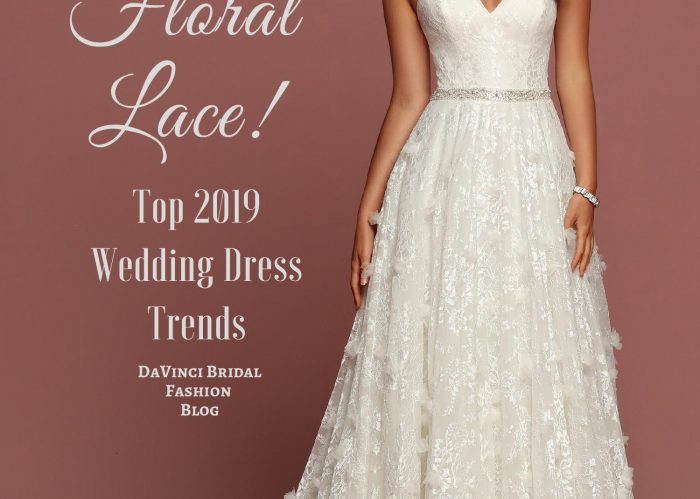
Top Spring 2019 Wedding Dress Trends 3-D Floral Lace – DaVinci Bridal Fashion Blog
Accessories, Dresses, Hair, Shoes, Wedding
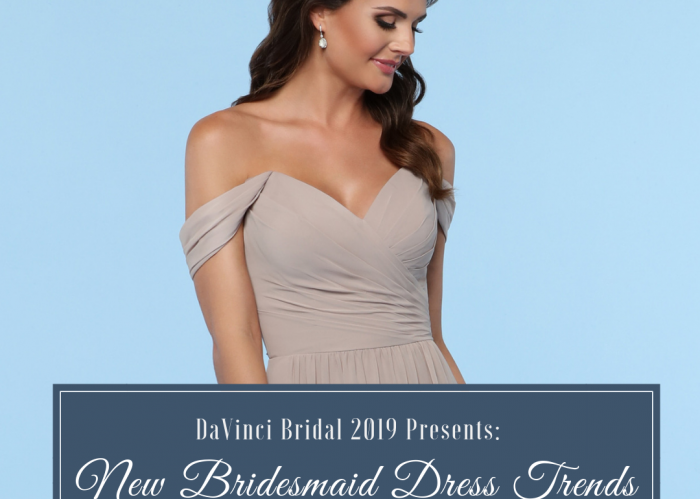
New Bridesmaid Dress Trends for 2019 – DaVinci Bridal Fashion Blog
Accessories, Dresses, Hair, Nails, Shoes, Skin & Makeup, Wedding
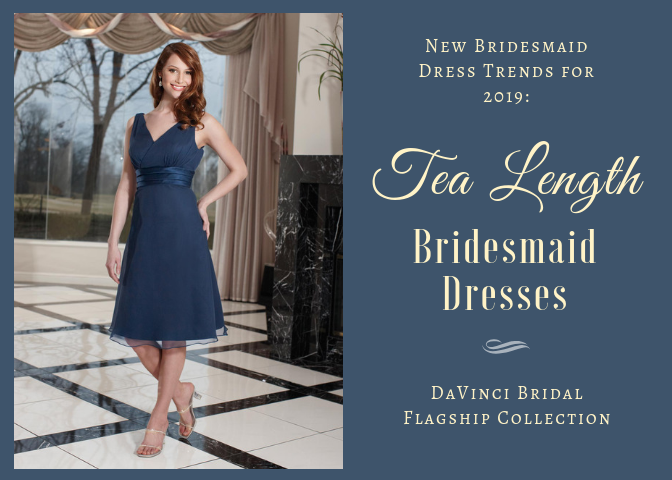
New Bridesmaid Dress Trends 2019 Tea Length Dresses – DaVinci Bridal Blog
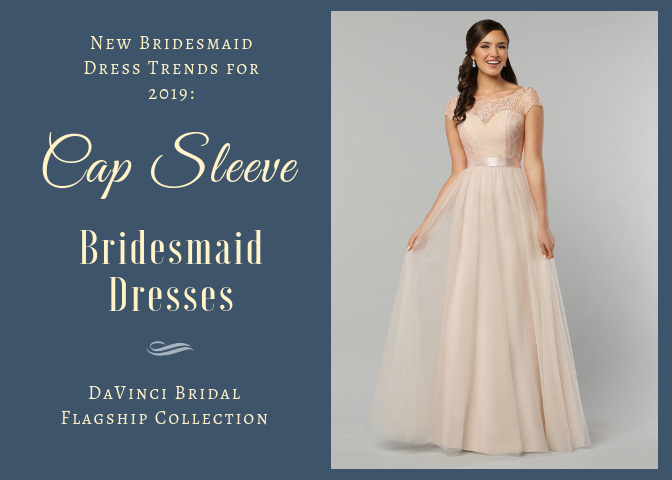
Accessories, Dresses, Hair, Nails, Shoes, Skin & Makeup, Wedding
New Bridesmaid Dress Trends 2019 Cap Sleeve Dresses – DaVinci Bridal Blog
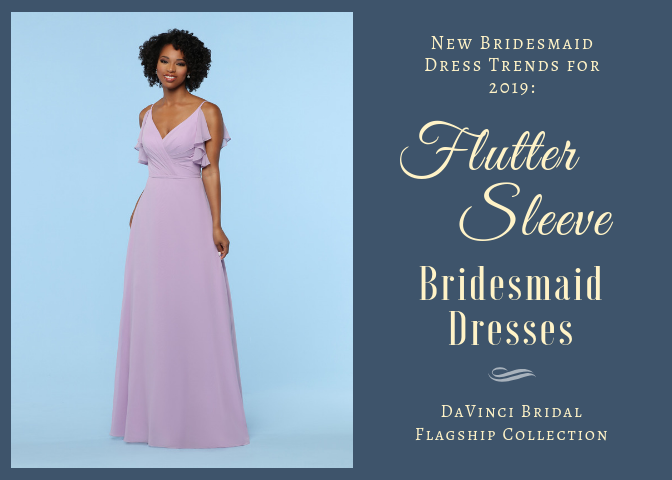
Accessories, Dresses, Hair, Nails, Shoes, Skin & Makeup, Wedding
New Bridesmaid Dress Trends 2019 Flutter Sleeve Dresses – DaVinci Bridal Blog
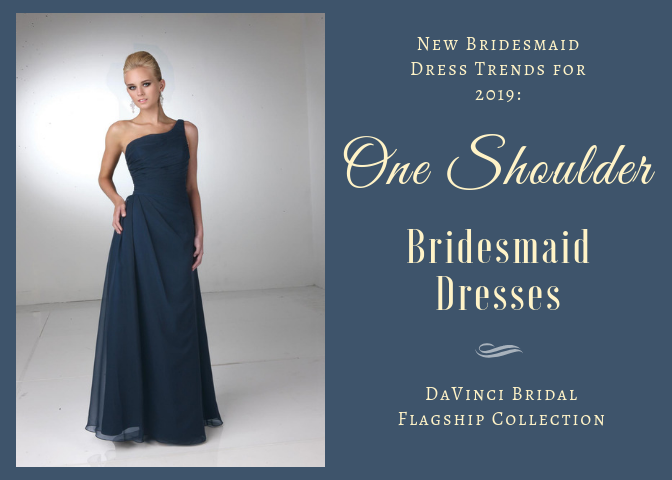
Accessories, Dresses, Hair, Nails, Shoes, Skin & Makeup, Wedding
New Bridesmaid Dress Trends 2019 One Shoulder Dresses – DaVinci Bridal Blog
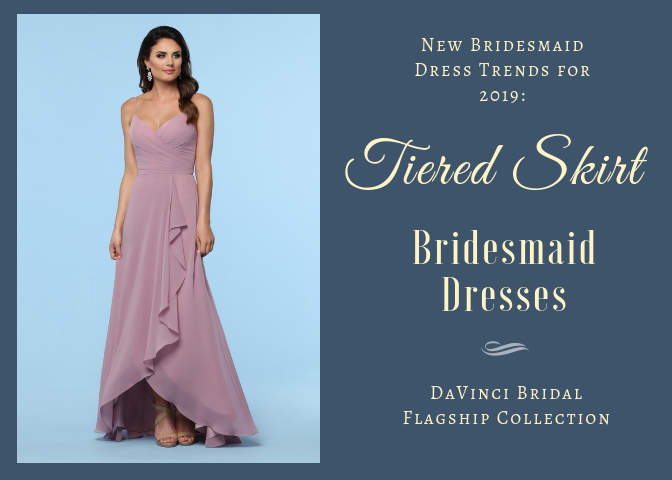
Accessories, Dresses, Hair, Nails, Photography, Shoes, Skin & Makeup, Wedding
New Bridesmaid Dress Trends 2019 Tiered Skirt Dresses – DaVinci Bridal Blog
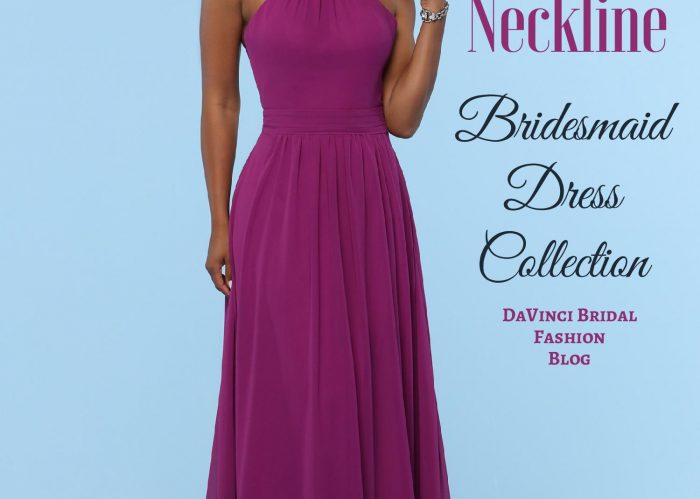
Accessories, Dresses, Hair, Nails, Shoes, Skin & Makeup, Wedding
Halter Bridesmaid Dresses 2019 New Arrivals – DaVinci Bridal Blog
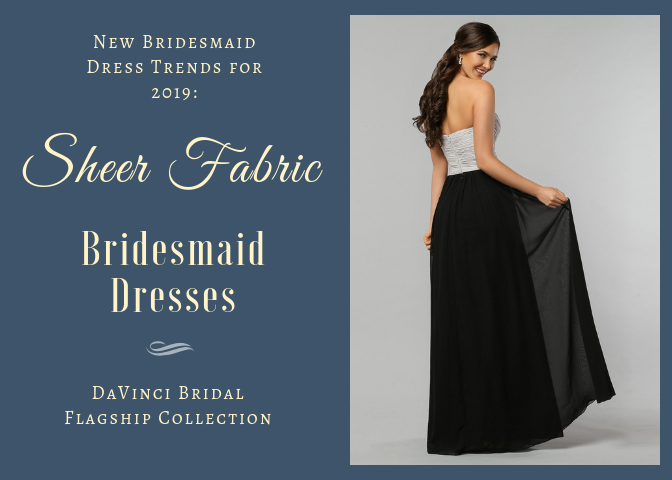
Accessories, Dresses, Hair, Nails, Shoes, Skin & Makeup, Wedding
New Bridesmaid Dress Trends 2019 Sheer Fabric Dresses – DaVinci Bridal Blog
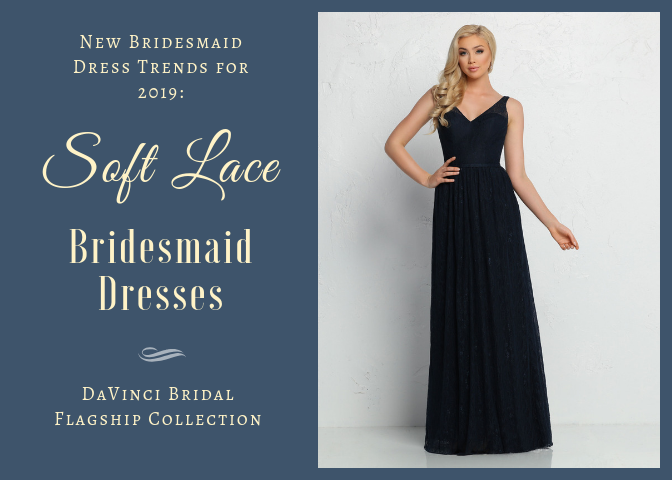
Accessories, Dresses, Hair, Nails, Photography, Shoes, Skin & Makeup, Wedding
New Bridesmaid Dress Trends 2019 Soft Lace Dresses – DaVinci Bridal Blog
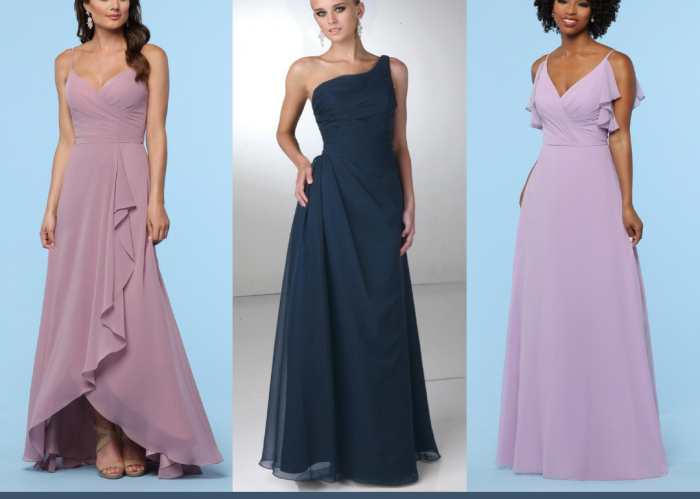
Accessories, Dresses, Hair, Nails, Photography, Skin & Makeup, Wedding
2019 New Bridesmaid Dress Trends – DaVinci Bridal Fashion Blog
Accessories, Dresses, Hair, Nails, Photography, Shoes, Wedding
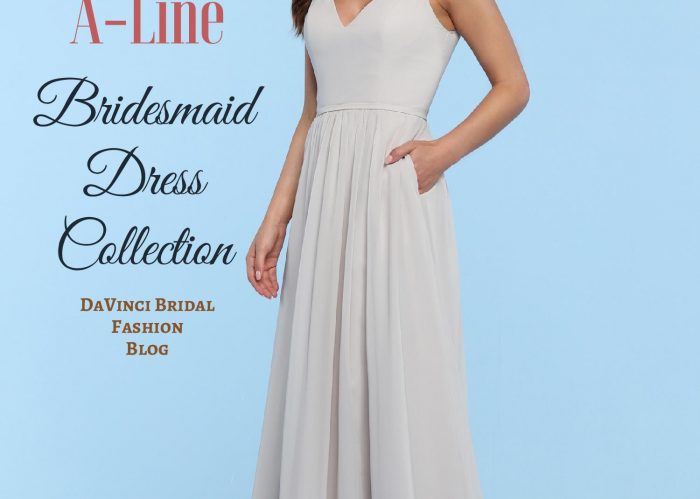
A-Line Bridesmaid Dresses 2019 New Arrivals – DaVinci Bridal Fashion Blog
Dresses, Nails, Shoes, Skin & Makeup, Theme & Decor, Wedding
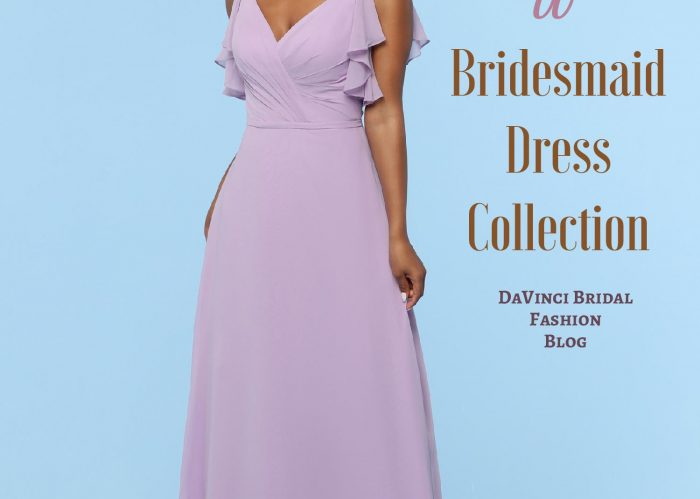
Chiffon Bridesmaid Dresses 2019 New Arrivals – DaVinci Bridal Fashion Blog
Accessories, Dresses, General Planning, Hair, Nails, Shoes, Wedding
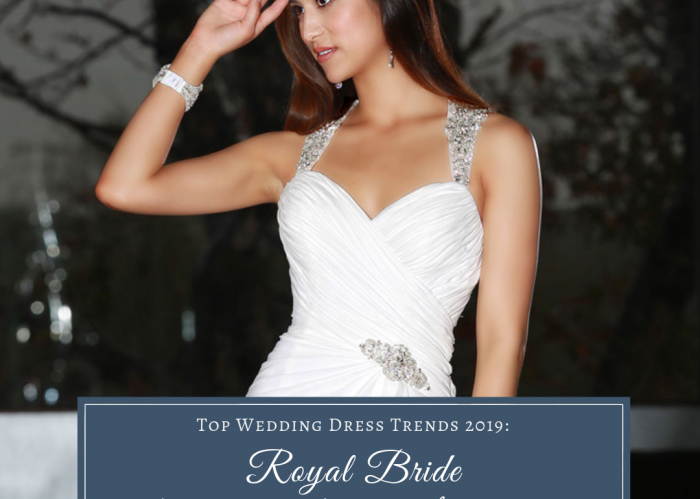
Top Wedding Dress Trends 2019 Royal Bride Reception Dress Inspirations – DaVinci Bridal Fashion Blog
Accessories, Dresses, Hair, Nails, Shoes, Skin & Makeup, Wedding
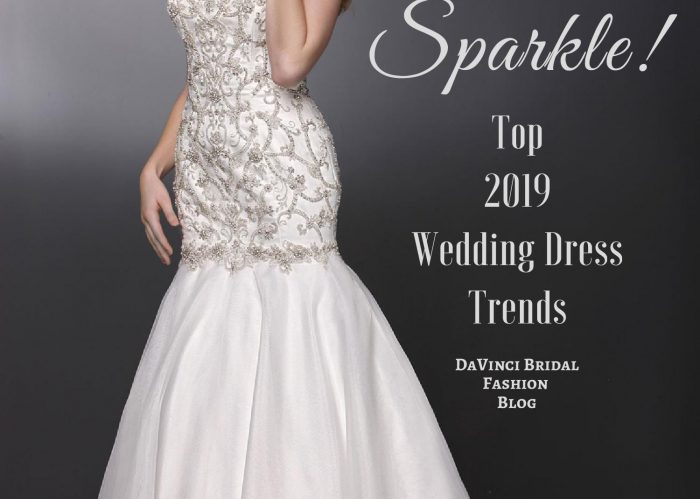
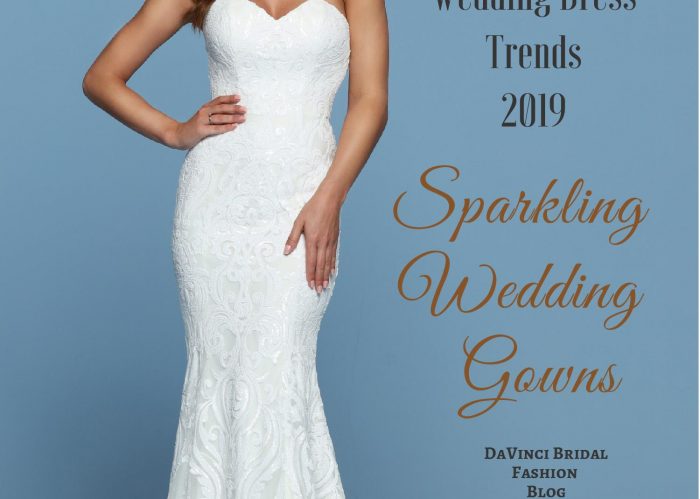
Top Wedding Dress Trends for 2019 Sparkly Wedding Gowns – DaVinci Bridal Fashion Blog
Accessories, Dresses, General Planning, Hair, Nails, Shoes, Skin & Makeup, Wedding
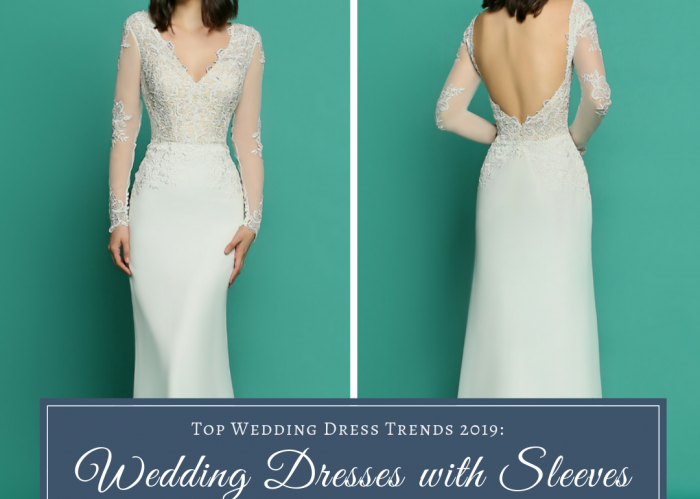
Top Wedding Dress Trends for 2019 Wedding Dresses & Gowns with Sleeves – DaVinci Bridal Blog
Accessories, Dresses, General Planning, Hair, Shoes, Theme & Decor, Uncategorized, Wedding
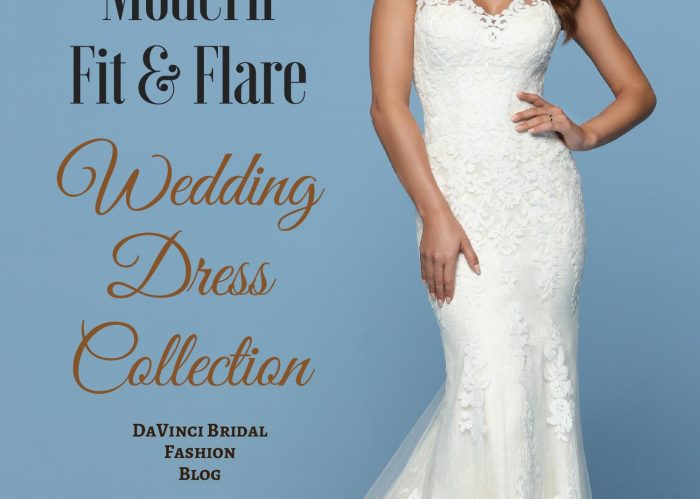
Wedding Gowns for 2019 Modern Fit & Flare Wedding Dresses – DaVinci Fashion Blog
Accessories, Dresses, General Planning, Hair, Nails, Shoes, Skin & Makeup, Theme & Decor, Uncategorized, Wedding
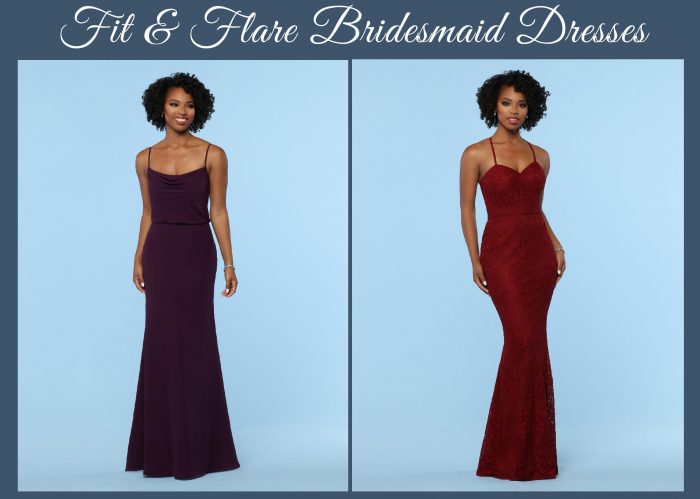
New Arrival! 2019 Fit & Flare Bridesmaid Dress Collection – DaVinci Bridal Blog
Accessories, Dresses, General Planning, Hair, Nails, Shoes, Skin & Makeup, Theme & Decor, Wedding
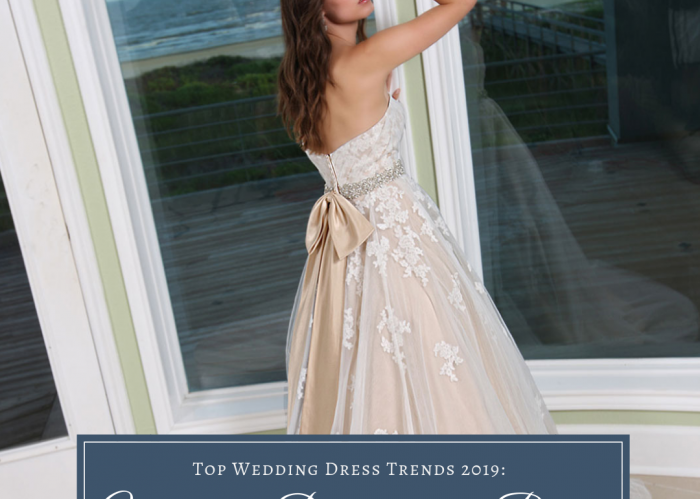
Top Wedding Dress Trends for 2019 Wedding Dresses with Bows – DaVinci Bridal Blog
Accessories, Dresses, General Planning, Theme & Decor, Uncategorized, Wedding
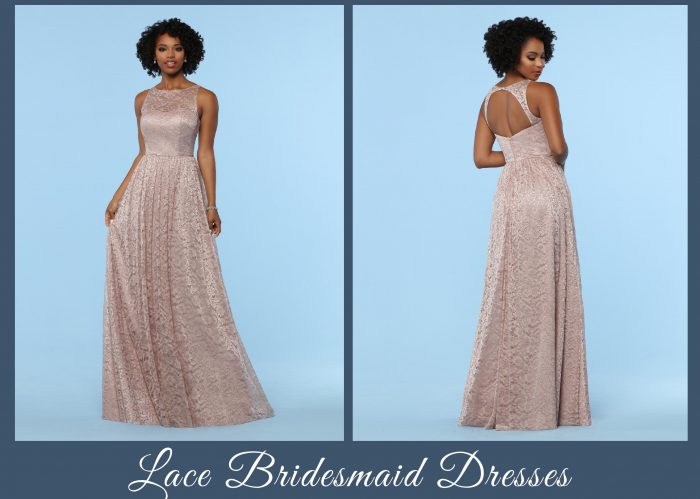
New Bridesmaid Dress Trends 2019 Lace Bridesmaid Dresses – DaVinci Bridal Fashion Blog

Accessories, Dresses, General Planning, Theme & Decor, Wedding
Top Wedding Dress Trends for 2019 Wedding Gowns with Geometric Details – DaVinci Bridal Fashion Blog
Accessories, Dresses, Theme & Decor, Wedding
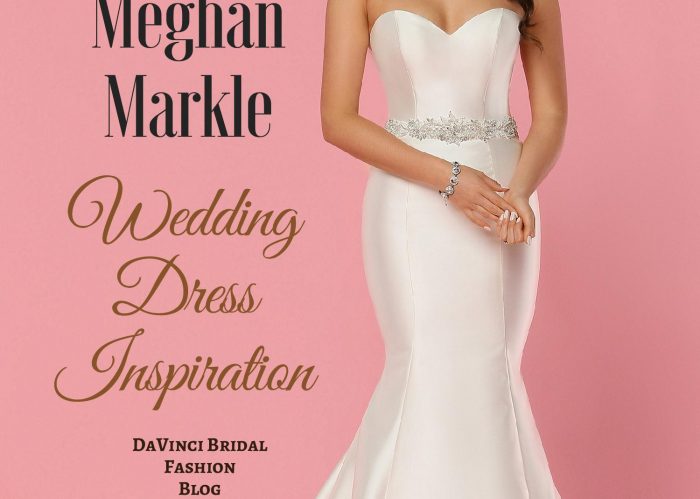
Top Wedding Dress Trends for 2019 Meghan Markle Wedding Dress Style – DaVinci Bridal Fashion Blog
Dresses, Uncategorized, Wedding
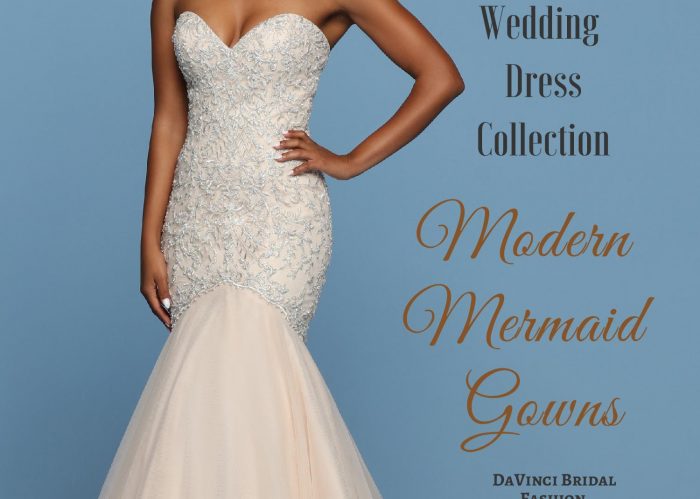
Wedding Gowns for 2019: Modern Mermaid Wedding Dress Collection – DaVinci Fashion Blog
Dresses, Hair, Photography, Theme & Decor, Wedding
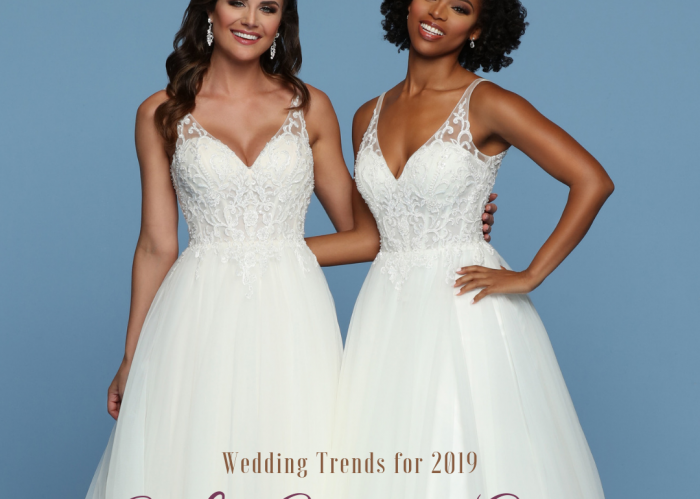
Wedding Dress Trends for 2019 A-Line Wedding Dress Collection – DaVinci Bridal Blog
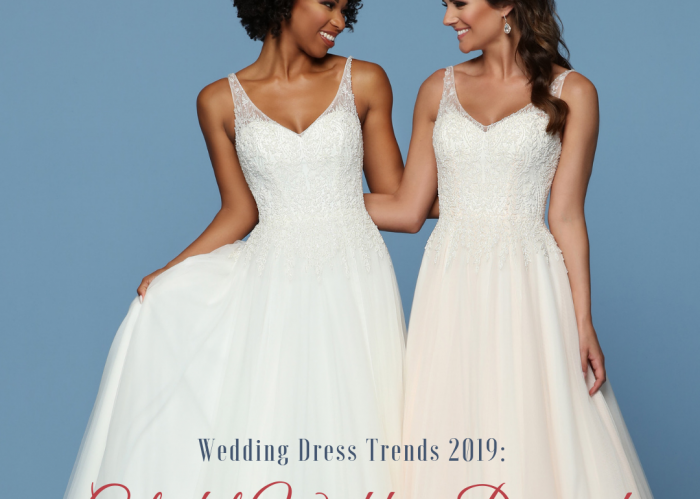
Accessories, Dresses, General Planning, Hair, Photography, Theme & Decor, Wedding
Wedding Dress Trends 2019 Colorful Wedding Dress Collection – DaVinci Fashion Blog

Accessories, Dresses, General Planning, Theme & Decor, Wedding
Wedding Gowns for 2019 Strapless Wedding Dress Collection – DaVinci Fashion Blog
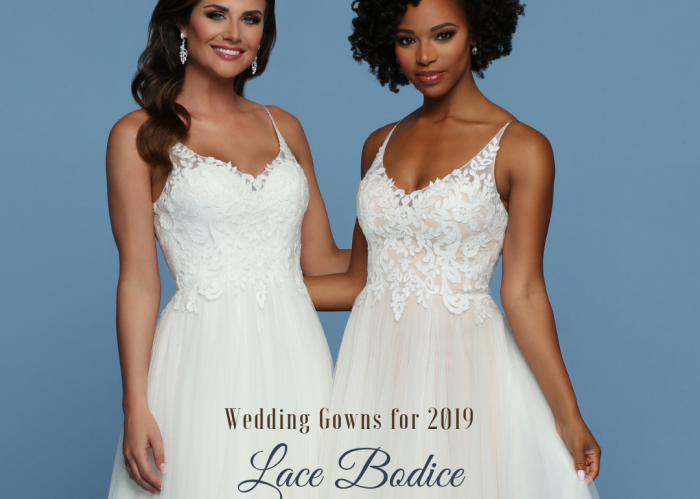
Accessories, Dresses, Theme & Decor, Wedding
2019 Lace Bodice Wedding Dress Collection – DaVinci Fashion Blog
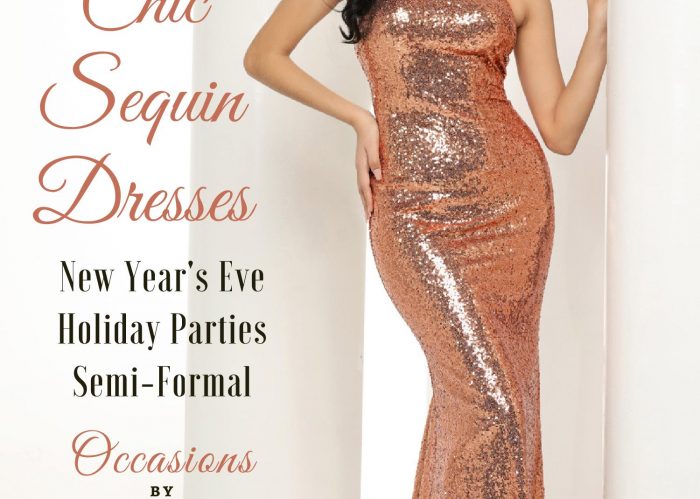
Accessories, Dresses, Skin & Makeup, Theme & Decor, Wedding
Chic Sequin Dresses: NYE, Holiday Parties, Semi-Formal – DaVinci Bridal Blog
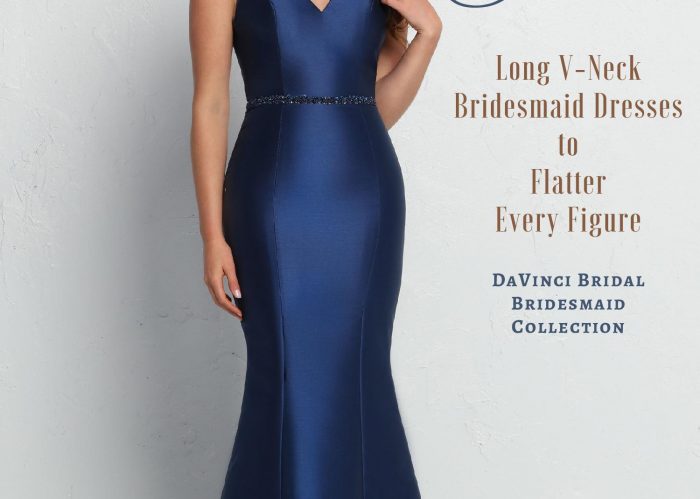
Accessories, Dresses, General Planning, Hair, Nails, Photography, Shoes, Theme & Decor, Wedding
Long V-Neck Bridesmaids Dresses – DaVinci Bridal Fashion Blog

Accessories, Dresses, General Planning, Relationships, Theme & Decor, Wedding
11 Tips for Pregnant Bridesmaid Dress Shopping – DaVinci Bridal Fashion Blog
Accessories, Dresses, General Planning, Hair, Theme & Decor, Uncategorized, Wedding
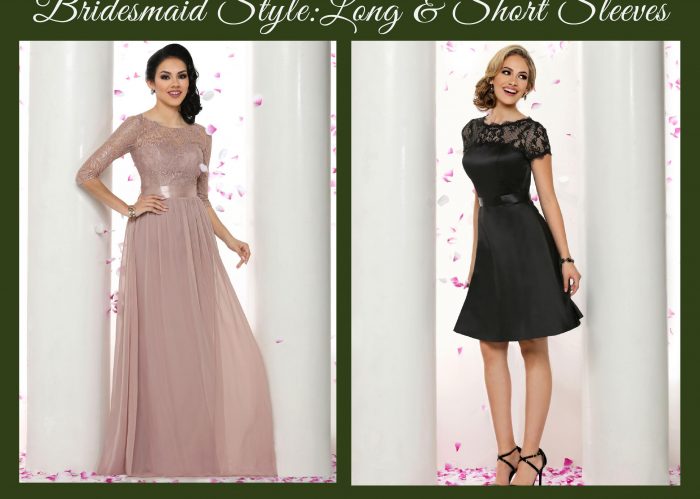
Bridesmaid Dresses with Short & Long Sleeves – DaVinci Bridal Blog
Accessories, Dresses, General Planning, Hair, Nails, Theme & Decor, Wedding
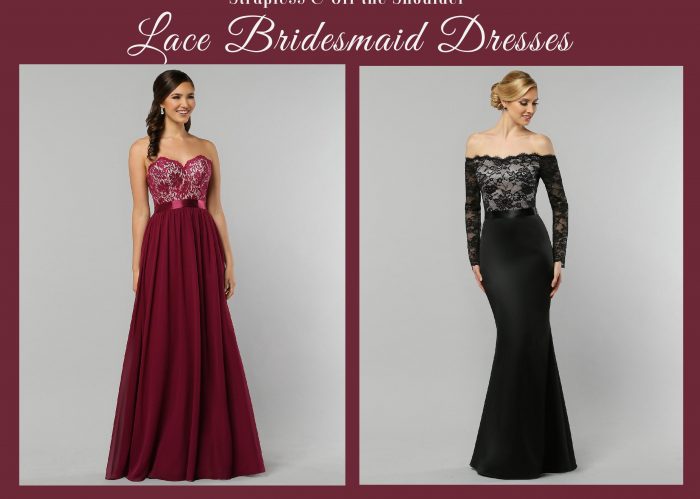
Long Strapless & Off-the-Shoulder Lace Bridesmaid Dresses – DaVinci Bridal Fashion Blog
Accessories, Dresses, Theme & Decor, Wedding
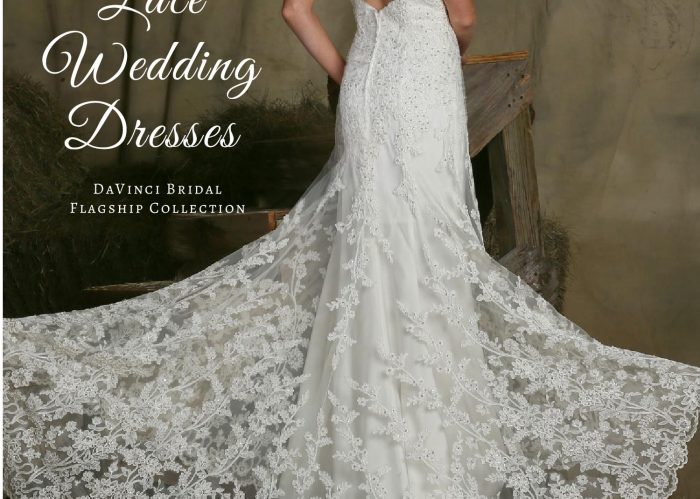
Sheath & Form Fitting Lace Wedding Dresses – DaVinci Bridal Blog
Accessories, Dresses, Shoes, Theme & Decor, Wedding
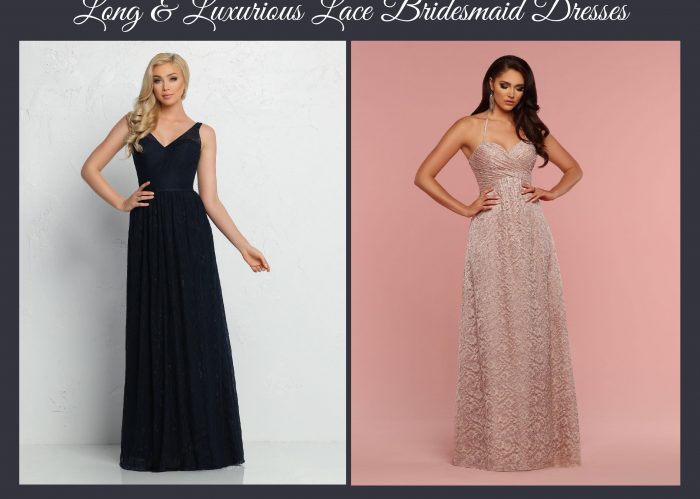
Luxurious Long Lace Bridesmaid Dresses – DaVinci Bridal Fashion Blog
Accessories, Dresses, Hair, Theme & Decor, Wedding
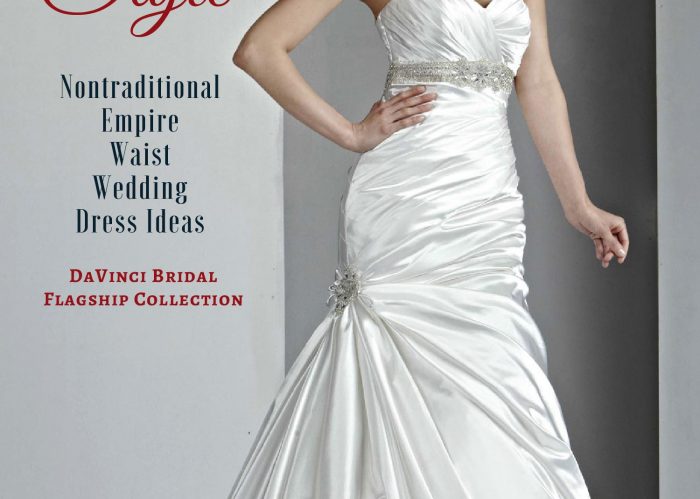
Non Traditional Empire Waist Wedding Dress Ideas – DaVinci Bridal Blog
Accessories, Dresses, General Planning, Relationships, Wedding
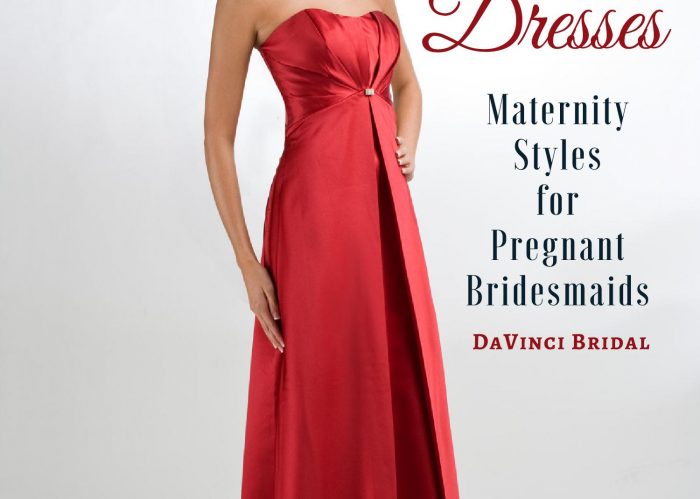
Classic Empire Maternity Bridesmaid Dresses – DaVinci Bridal Fashion Blog
Dresses, General Planning, Theme & Decor, Wedding
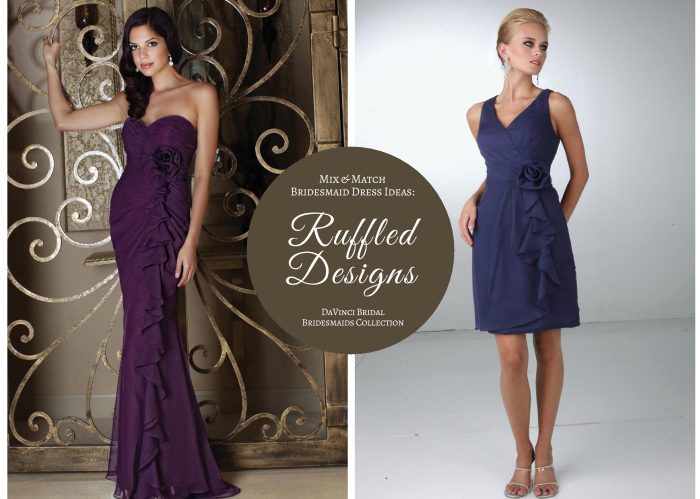
Mix & Match Bridesmaids Ruffled Dress Ideas – DaVinci Bridal Blog
Dresses, Theme & Decor, Wedding
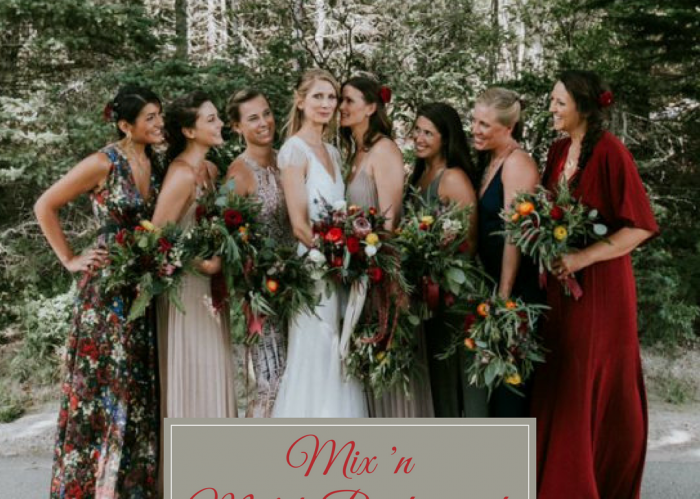
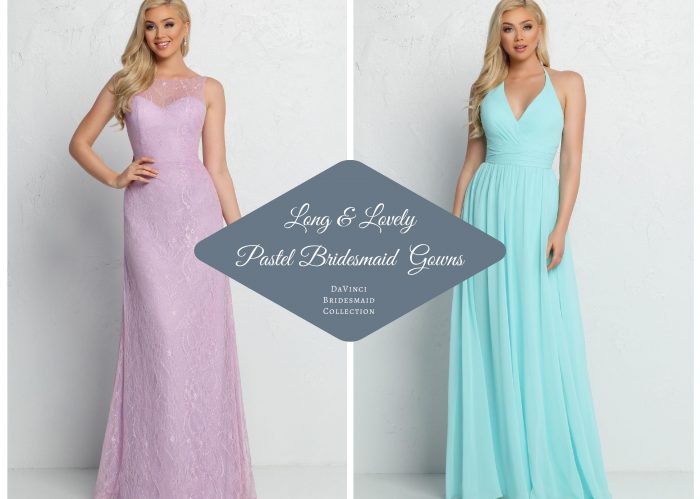
Long & Lovely: Floor Length Pastel Bridesmaids Dresses – DaVinci Bridal Blog


General Planning, Relationships
How to Choose Your Bridesmaids Without Going Crazy – DaVinci Bridal Blog
Dresses, Uncategorized, Wedding
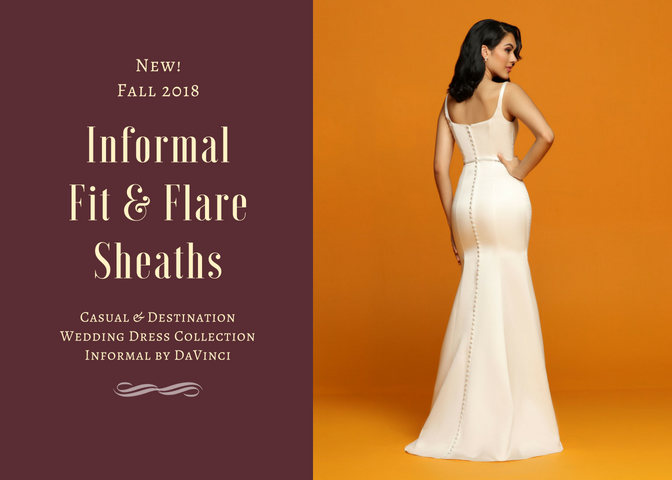
Fall 2018 Informal Fit & Flare Sheath Wedding Dress Collection – DaVinci Bridal Blog
Dresses, Uncategorized, Wedding
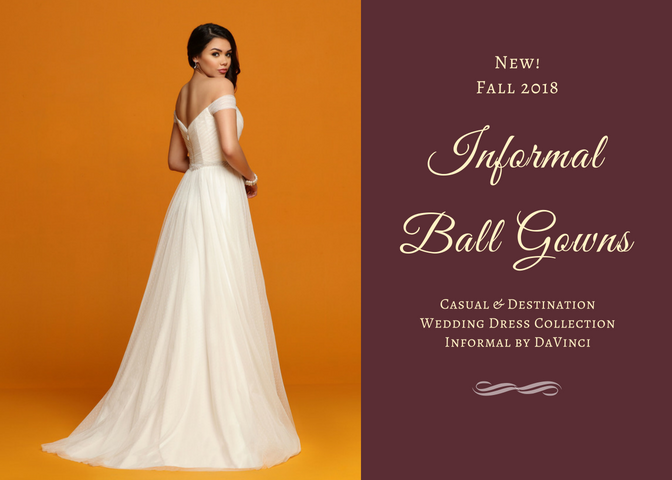
Informal A-Line Ball Gown Wedding Dress Collection: New for Fall 2018 – DaVinci Bridal Blog
Accessories, Dresses, Uncategorized, Wedding
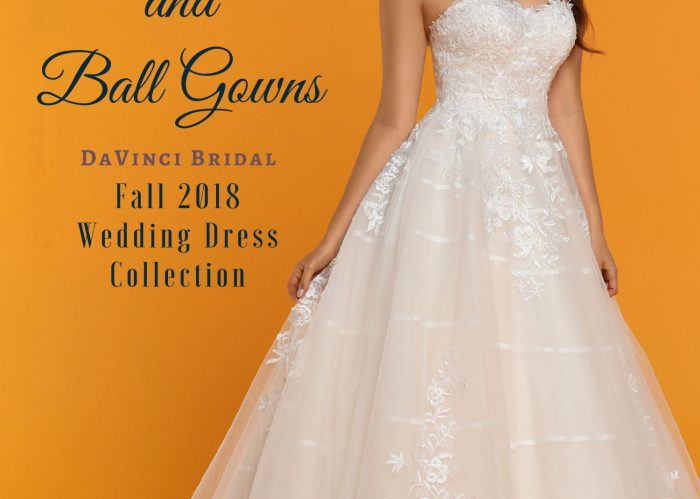
A-Line Ball Gown Wedding Dress Collection: New for Fall 2018 – DaVinci Bridal Blog
Dresses, Uncategorized, Wedding
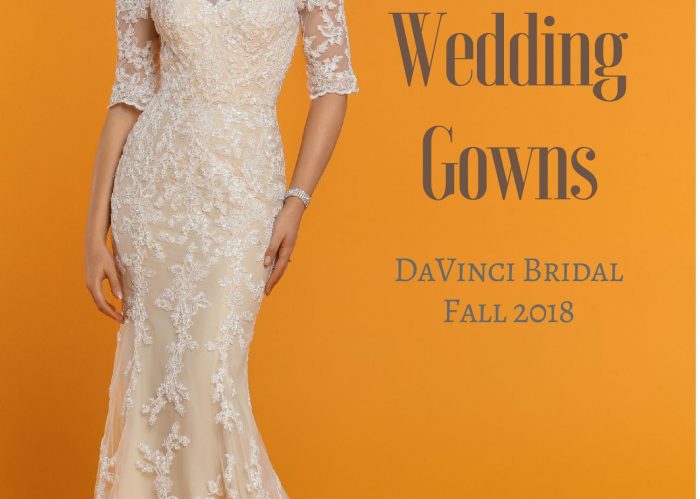
Fit & Flare Wedding Dresses: New for Fall 2018 – DaVinci Bridal Blog
Dresses, Uncategorized, Wedding
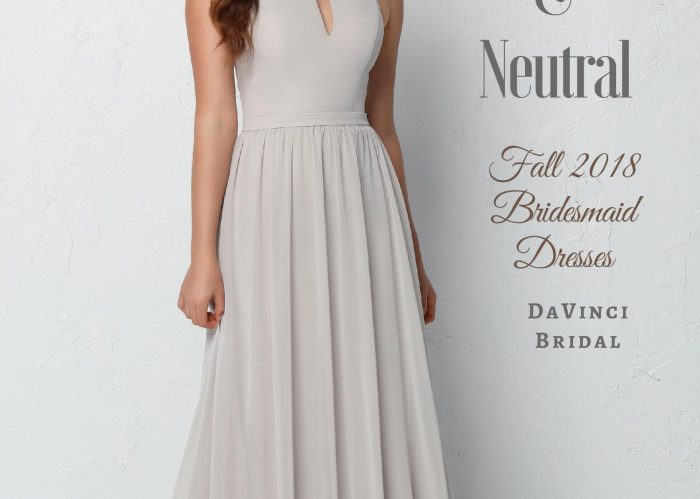
Champagne & Neutral Colored Bridesmaid Dresses – Fall 2018 DaVinci Bridal Blog
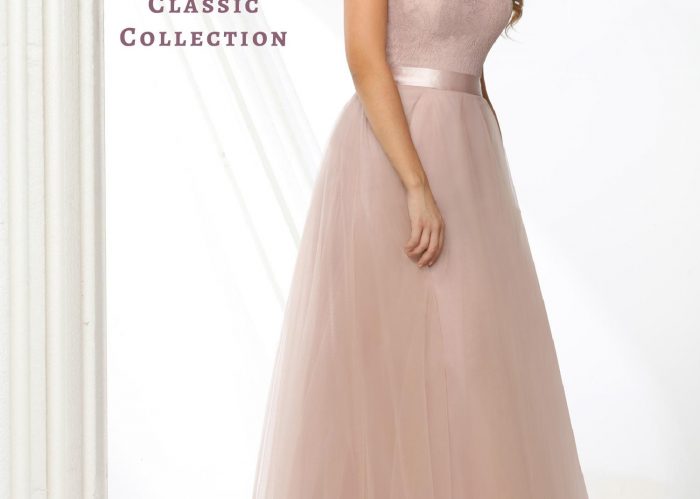
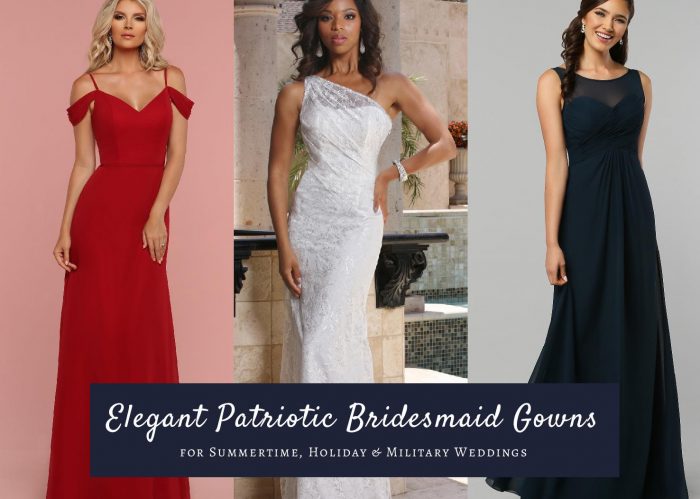
Dresses, Theme & Decor, Uncategorized, Wedding
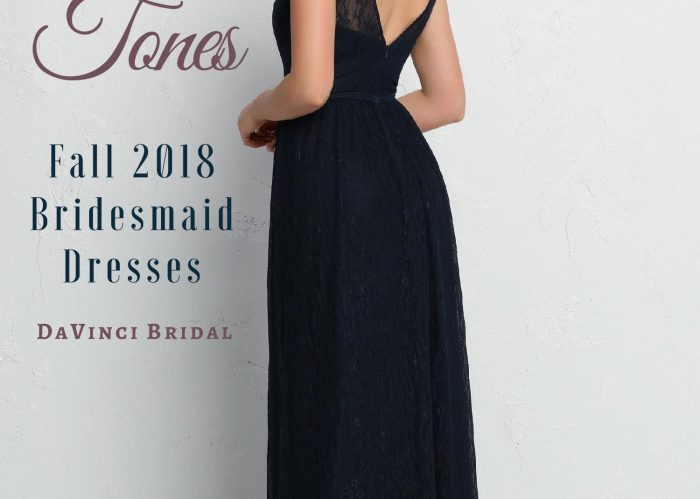
Patriotic Bridesmaid Gowns for Elegant Summertime, Holiday & Military Weddings – DaVinci Bridal Blog
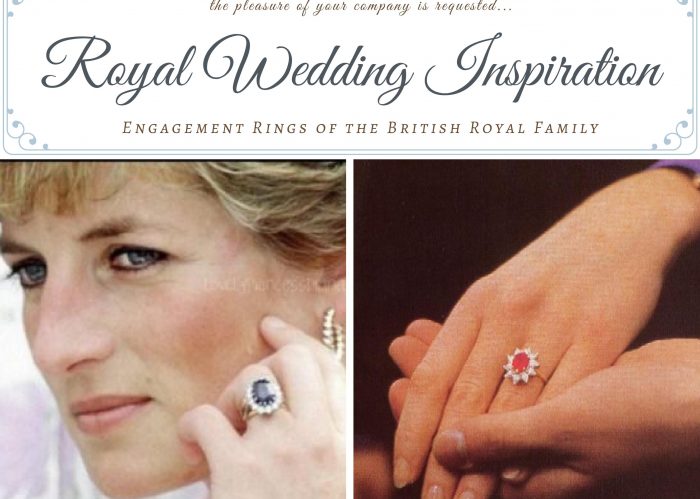
Accessories, Entertainment (celebs, music, movies), History & Tradition, Uncategorized, Wedding
British Royal Family Engagement Rings – DaVinci Bridal Blog
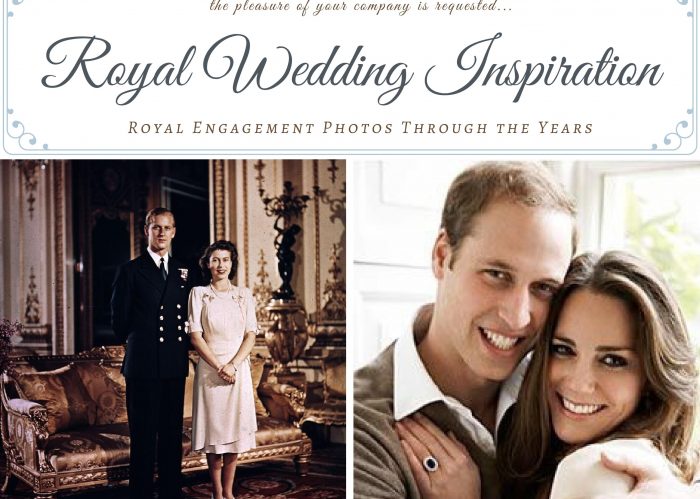
Entertainment (celebs, music, movies), History & Tradition, Photography, Uncategorized, Wedding
Royal Engagement Photos – Royal Wedding Inspirations – DaVinci Bridal Royal Wedding Inspiration
Dresses, Uncategorized, Wedding
Bridesmaids Design: 7 Elegant Gowns for Your Entourage – DaVinci Bridal Blog
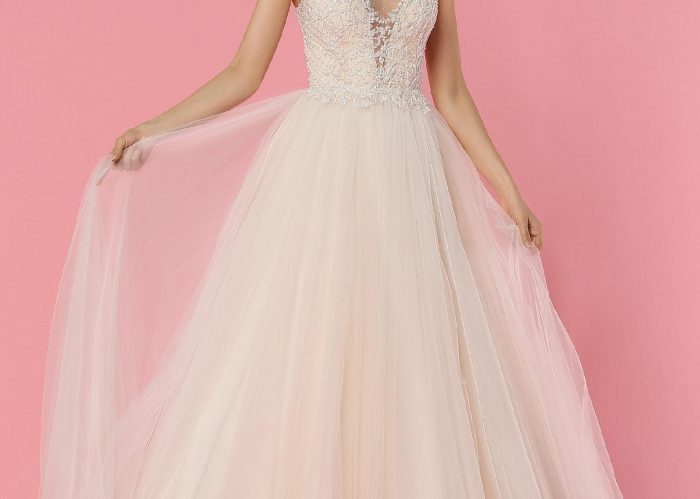
Dresses, Uncategorized, Video, Wedding
DaVinci Wedding Dresses | Style 50457 | Tulle & Lace – DaVinci Bridal Collection
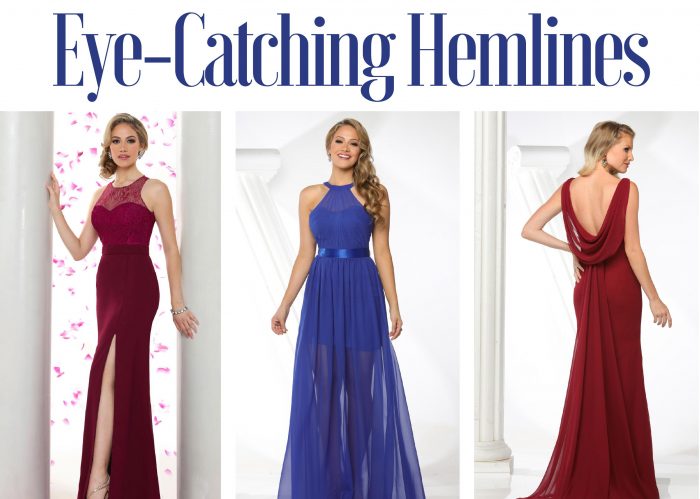
Dresses, Uncategorized, Wedding
The Long & the Short of It: 6 New Bridesmaids Gowns with Eye-Catching Hemlines – DaVinci Bridal Blog
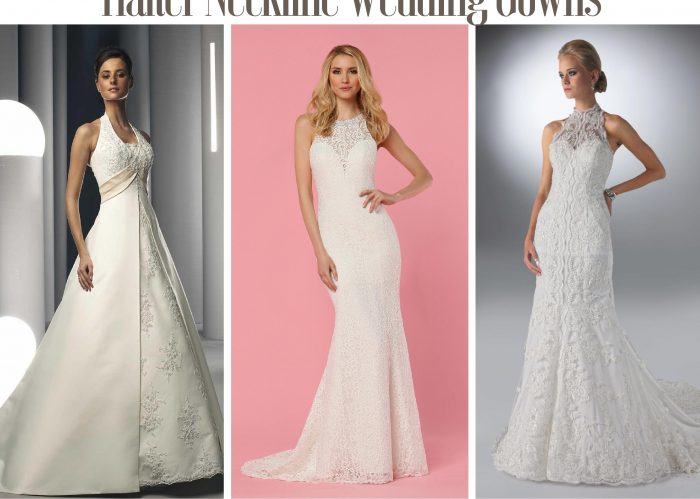
Dresses, Uncategorized, Wedding
Fashion Focus: Halter Wedding Dress Collection – DaVinci Bridal Flagship Collection

Dresses, Uncategorized, Wedding
Halter & One Shoulder Informal Wedding Gown Collection – DaVinci Bridal Blog

General Planning, Giving Back, Relationships, Uncategorized, Wedding
Will You Help Me Tie the Knot? 14 Ideas for Bridesmaid Proposals – @DaVinciBridal Blog
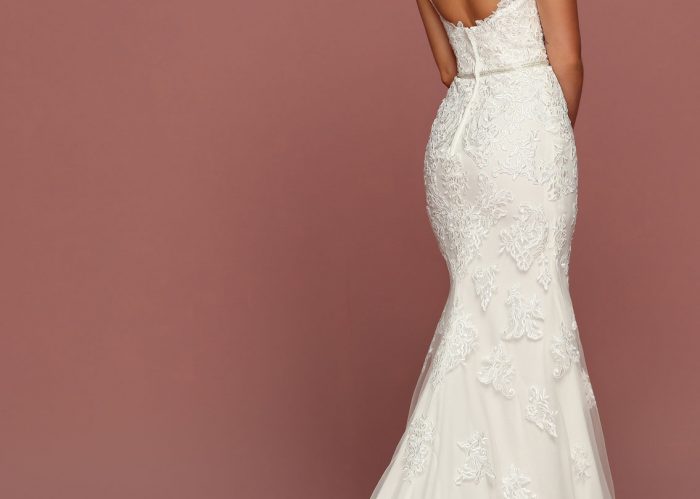


Accessories, Dresses, Nails, Shoes, Skin & Makeup, Theme & Decor, Uncategorized, Wedding
New! 2018 Mermaid Wedding Dress Collection – DaVinci Bridal Blog
Dresses, Uncategorized, Video, Wedding
DaVinci Wedding Dresses | Style 50470 | Tulle & Lace – DaVinci Bridal Collection

Dresses, Uncategorized, Video, Wedding
DaVinci Wedding Dresses | Style 50446 – DaVinci Bridal Collection

Dresses, Uncategorized, Wedding
Fall 2017 Informal Destination Wedding Dresses: Ball Gowns, Detachable Trains & Jackets – DaVinci Bridal Blog
Accessories, Dresses, Gallery, General Planning, Health & Fitness, Wedding
6 Tips for Choosing Your Wedding Dress by Body Type
General Planning, Theme & Decor, Wedding
12 Reasons Not to Hire a Wedding Planner – DaVinci Bridal Blog
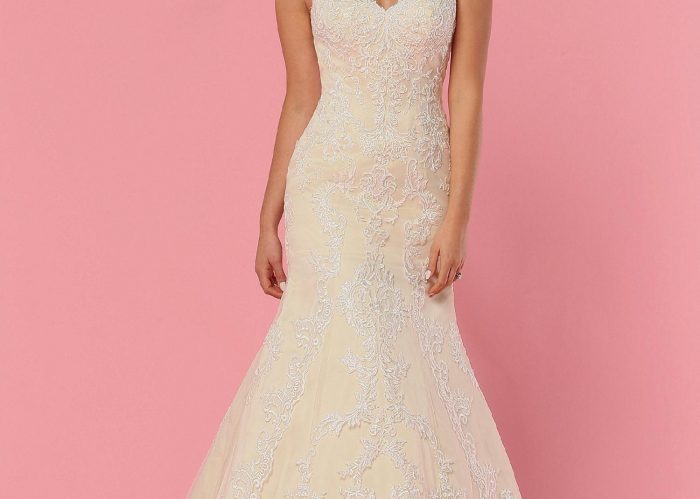
Accessories, Dresses, General Planning, Hair, Shoes, Skin & Makeup, Theme & Decor, Uncategorized, Video, Wedding
DaVinci Bridal Tulle & Lace Wedding Dress | Style 50452 | DaVinci Bridal Collection
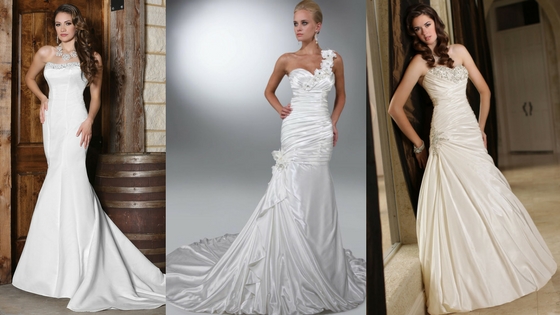
Accessories, General Planning, Theme & Decor, Wedding
12 Wedding Favors That Really Are Only $1! – DaVinci Bridal Blog

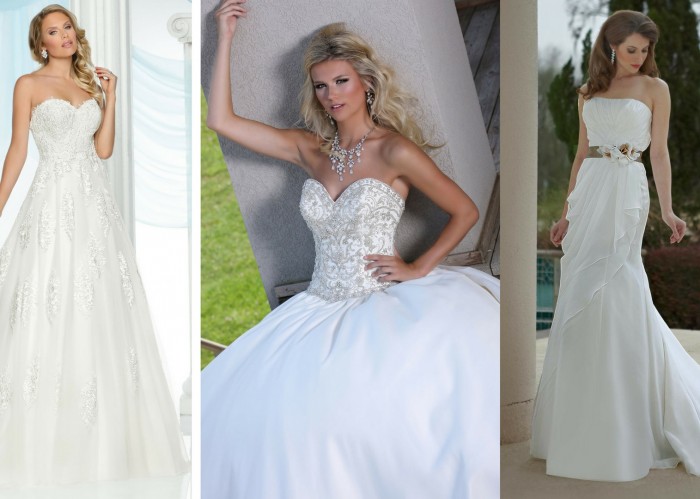
Dresses, General Planning, Theme & Decor, Wedding
17 Wedding Ideas for Your 2017 Wedding – DaVinci Bridal Blog


Dresses, Uncategorized, Video, Wedding
DaVinci Wedding Dresses | Style 50444– DaVinci Bridal Collection

Dresses, Uncategorized, Wedding
17 for 2017: Unique Wedding Dress Styles for Creative Brides – DaVinci Bridal Blog
























Entertainment (celebs, music, movies)


























Recent Comments